
Grocery stores are rethinking traditional self-service food counters and salad bars as consumer preferences shift toward convenient, freshly prepared meals and flexible ordering options. Ghost kitchens are emerging as an alternative, allowing supermarkets to offer restaurant-quality food for delivery or pickup without the need for traditional dining spaces. This evolving food service model creates new opportunities for grocery retailers to increase revenue, maximize available space, and meet changing customer expectations.
Integrating ghost kitchens into grocery stores requires thoughtful supermarket design, efficient kitchen layouts, and strategic planning to support food preparation, delivery, and customer pickup. Whether operating as independent delivery kitchens or integrated grab-and-go food service concepts, ghost kitchens can benefit both grocery retailers and restaurant operators. Explore how ghost kitchens are influencing grocery store design and creating new opportunities for the future of prepared food retail.
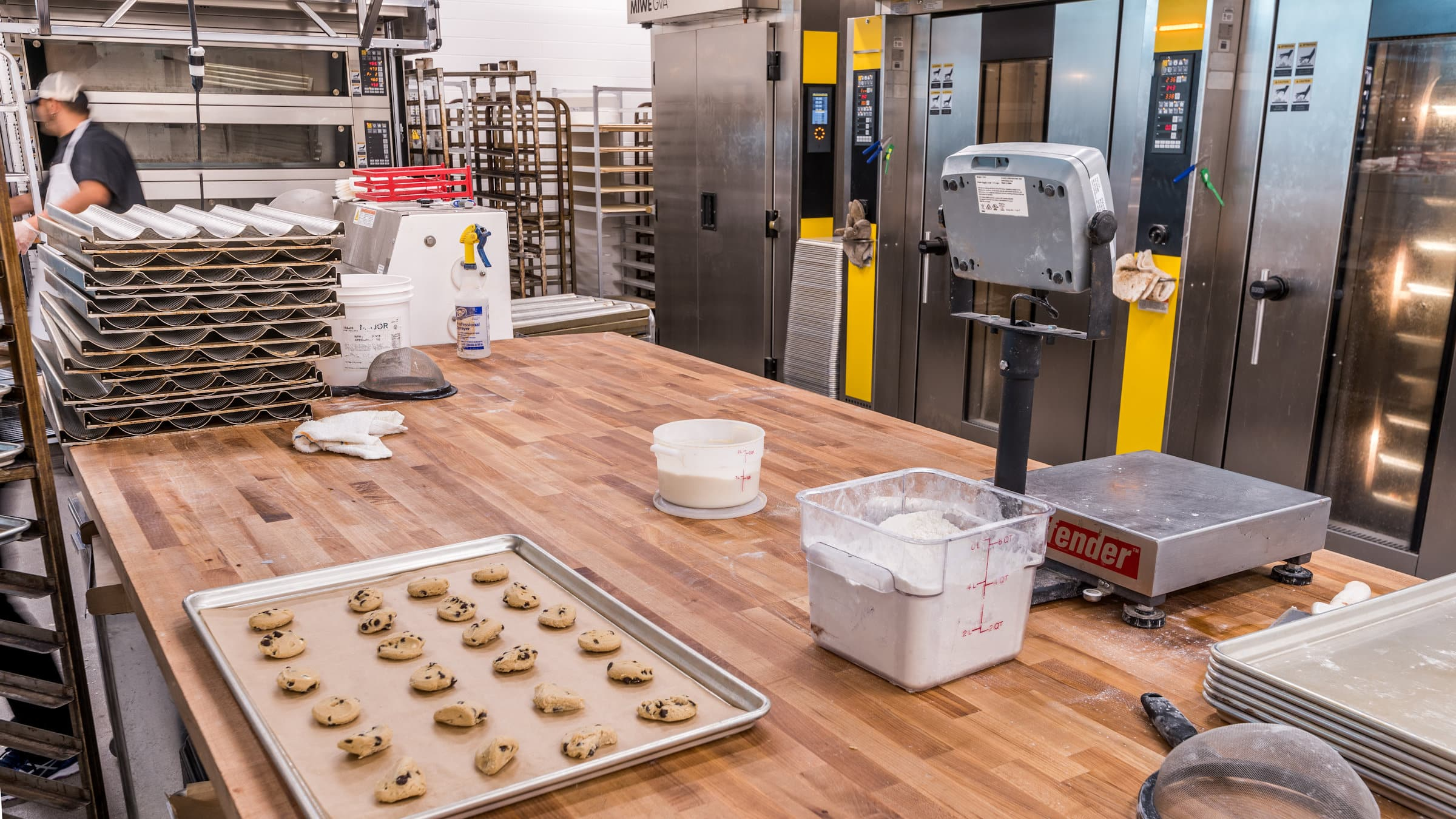
As part of their grab-and-go offerings, many grocery stores offer shoppers hot food counters and salad bars. Yet with continuously evolving consumer needs and preferences, this might be a thing of the past.
Of course, people still want the convenience of prepared food, but self-serve models may no longer be the preferred choice for consumers. So, what’s next? Some signs point to ghost kitchens. The grocery store design consultants at King Retail Solutions are here to offer helpful insight into this trend.
What Is a
Ghost Kitchen?
A ghost kitchen is essentially a facility where food is prepped and cooked for paying customers (not unlike a restaurant kitchen). Unlike restaurants, food carts, and drive-thrus, most ghost kitchens don’t have a dining area, takeout window, or storefront. Customers never see the inside because they only offer delivered food.
Why Some Supermarkets Are Implementing
Ghost Kitchens
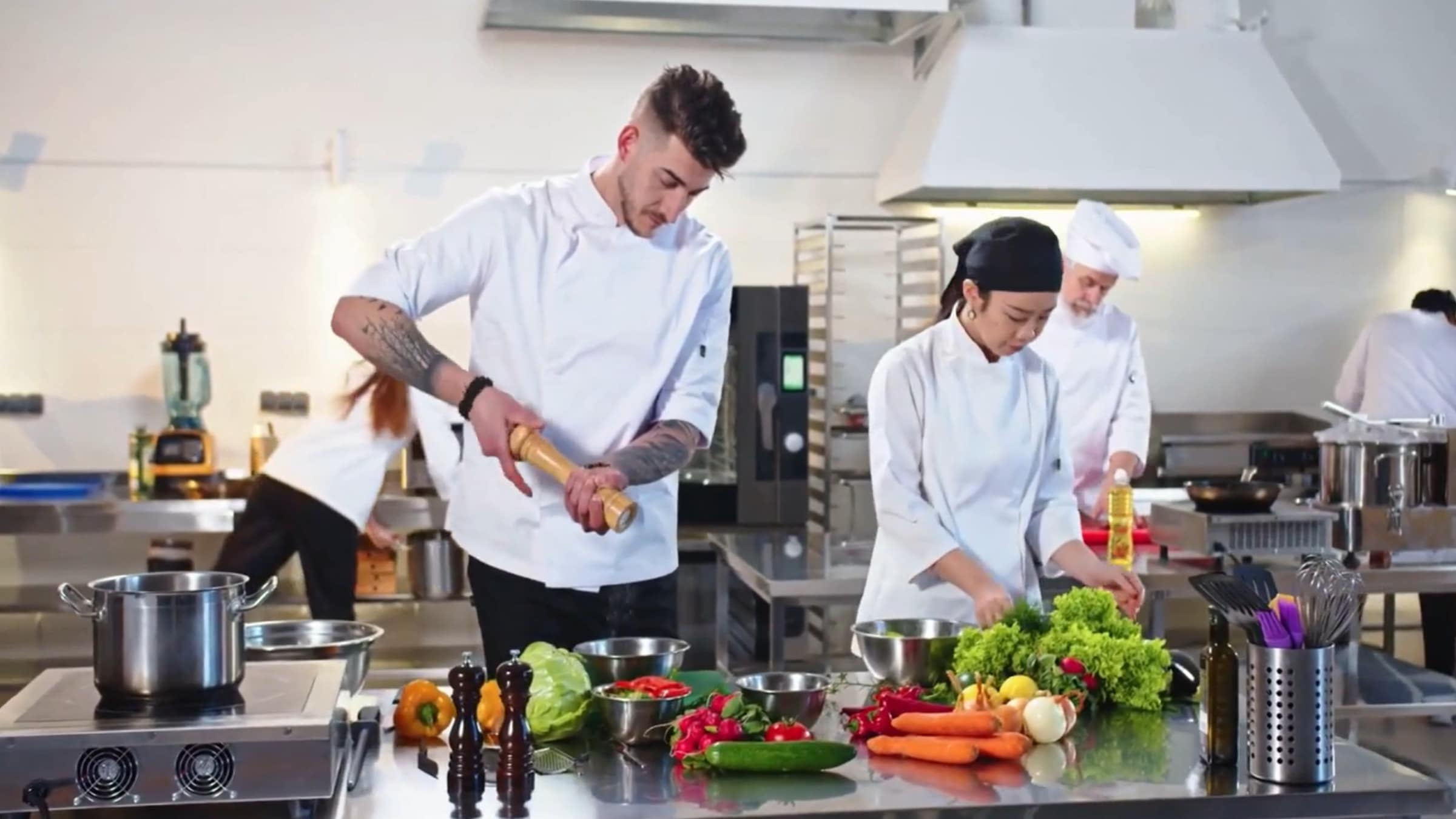
Since a ghost kitchen isn’t supposed to be seen by customers, it could theoretically go anywhere, including inside a supermarket. As grocery store layouts adjust to the changing demands (and appetites) of shoppers, many owners are considering implementing on-premise ghost kitchens. What’s in it for them? There are a few reasons why grocers are embracing the trend.
- Supermarket owners can charge rent for the space used by restaurants.
- Store owners can continue profiting off of hot food sales, even if the kitchen is branded as something else.
- Kitchens are inclined to buy ingredients and supplies from the grocery store.
It’s not just the grocery stores that profit, either. Building ghost kitchens inside grocery stores is a win-win, providing ample benefits to restaurant owners.
- By cooking food in densely populated markets, cafes are likely to see a spike in delivery orders.
- Forgoing a storefront and dining room means eateries can save money on renting or buying real estate in a popular area.
- Catering to the demands of modern consumers and saving money on real estate puts restaurants in a good position to expand.
While it’s tough to predict exactly where food trends are going, ghost kitchens seem to be a safe bet for grocers and restaurants, especially with flexible agreements.

What This Means for
Grocery Store Design
Pivoting to a ghost kitchen model might seem simple enough—people were already cooking back there, after all. However, successfully implementing the change will require some critical thinking and the careful planning of the grocery store’s layout and design.
Textbook Ghost Kitchen
You can choose to take a straightforward approach in which customers order food from the ghost kitchen just like they would any other restaurant. In that case, you’d rely on meal delivery apps or an internal team to get the food to people’s doorsteps.
Curious about the future of grocery store dining?
Let’s talk →Integrated Approach
Alternatively, you could integrate the service by way of a one-stop-shop model. Whether on their smartphones or through a strategically placed kiosk, shoppers can order food from the ghost kitchen and bring their takeout home. For this model, you’d need to have some sort of pickup window.
In any case, the concept should be thoroughly fleshed out to ensure it’ll be profitable for all parties involved. KRS has a keen understanding of the continuously blurring lines between grocery and prepared food services, and we can help you connect the dots.
KRS:Your Resource for Grocery Store Design, Layout, and Planning Services
Overhauling your store (or even a portion of your store) calls for custom retail interior design. The team at KRS can help your supermarket create a layout that works for the unique needs of your business, as well as nearby consumers and any restaurants involved. From design and planning to fabrication, installation, and retail decor, we do it all.
Ghost Kitchens in Grocery Stores FAQs
Have a different question? Let’s talk →
What is a ghost kitchen?
A ghost kitchen is a delivery-focused kitchen that prepares meals for customers without a traditional storefront or dining area. Customers order food digitally and receive their meals through delivery or designated pickup options.
Why are grocery stores considering ghost kitchens?
Ghost kitchens provide grocery stores with opportunities to generate revenue from prepared foods, lease space to restaurant operators, increase ingredient purchases, and meet growing consumer demand for convenient, ready-to-eat meals.
How can restaurants benefit from ghost kitchens inside grocery stores?
Restaurants can reduce real estate and operating costs, expand delivery capacity, and enter densely populated markets without investing in a traditional storefront or dining area. Grocery store locations also provide access to established retail infrastructure and potential ingredient sourcing opportunities.
What are the different approaches to integrating ghost kitchens?
Grocery stores can incorporate standalone ghost kitchens that fulfill orders through delivery apps or create integrated foodservice concepts where shoppers order meals through digital kiosks, mobile apps, or in-store pickup windows. Each approach offers different opportunities for convenience, operational efficiency, and customer engagement.
What role does store design play in implementing ghost kitchens?
Thoughtful store layout, interior design, and operational planning ensure ghost kitchens integrate smoothly with existing grocery operations. Strategic placement of kitchen equipment, pickup areas, signage, and customer pathways helps maximize efficiency, maintain traffic flow, and create a convenient shopping and dining experience.