

Expanding a successful quick-service restaurant (QSR) into a franchise requires more than great food and strong management. As restaurant brands grow from a handful of locations to regional or national chains, maintaining consistent quality, customer service, and brand identity becomes increasingly complex. Strategic site selection, scalable operating systems, and thoughtful restaurant design are essential for building a successful franchise network.
Sustainable QSR franchise growth depends on three critical factors: choosing the right locations, developing resilient systems, and establishing reliable vendor partnerships. From standardized restaurant layouts and custom fixtures to operational efficiency and consistent customer experiences, every detail matters. Explore the essential strategies for scaling a fast-casual restaurant franchise and discover how successful brands like Freddy’s Frozen Custard & Steakburgers have maintained their distinctive identity throughout expansion.
Making the Leap Into Fast Casual Franchising Requires More Than Good Food and Dedicated Management.
Turning a successful restaurant concept into a thriving franchise is an exciting milestone for any quick-service restaurant operator. What began as a unique idea, supported by loyal customers and a dedicated team, has the potential to become a recognizable brand across multiple markets. However, expanding from a few locations to dozens or even hundreds introduces operational, financial, and logistical challenges that require an entirely different approach to management.
Successful restaurant franchising is not simply a matter of duplicating a proven location. Every new restaurant must deliver the same quality, atmosphere, and customer experience that made the original concept successful. Achieving this consistency requires carefully documented processes, efficient restaurant layouts, strong brand standards, and experienced partners capable of supporting growth.
For emerging QSR franchises, the key is building a scalable business model without losing the personality and authenticity customers love. By focusing on strategic location selection, resilient operational systems, and dependable vendor relationships, restaurant brands can create a solid foundation for long-term expansion while maintaining the distinctive experience that sets them apart.
Customers are rewarding these innovative restaurant concepts with above-average growth. According to Upserve, over the past five years multi-location restaurants in the U.S. have grown by 3.5% to reach a predicted revenue of $144 billion. This has outpaced the growth of multi-location businesses in general by nearly 23%.
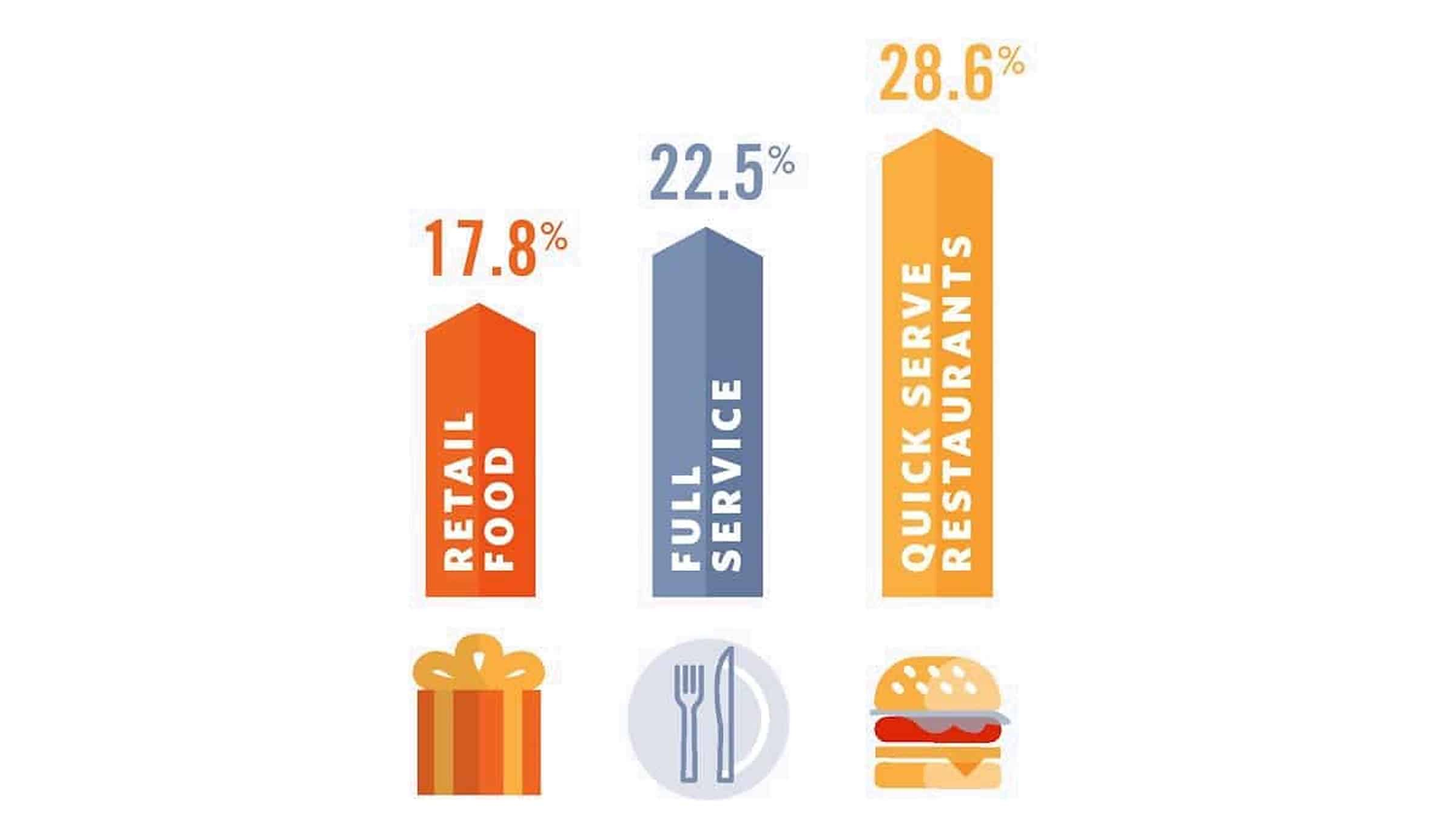
Quick-serve restaurants have been leading the way in this growth. According to marketplace platform Franchise Direct, from 2013 through 2017 QSR franchises grew their revenue by nearly 29%. Compare this to full service, whose revenue grew just over 22%, and retail food franchises, whose revenue grew just under 18% for the same period.
CEO of QSR Automations
The Three Elements Vital to Successful Scaling
1. Location, Location, Location
The formula for choosing the right location is threefold.
First, it must place the expansion site in a demographic environment that gives it the upper hand. Do the people who live nearby or frequently drive past have any interest in this kind of food? Having rabid fans also means having people who will never be customers.
Second, it must be convenient to access. With so many food choices, even customers who like the food are likely to visit less often if they perceive the drive or lack of parking to be a hassle.
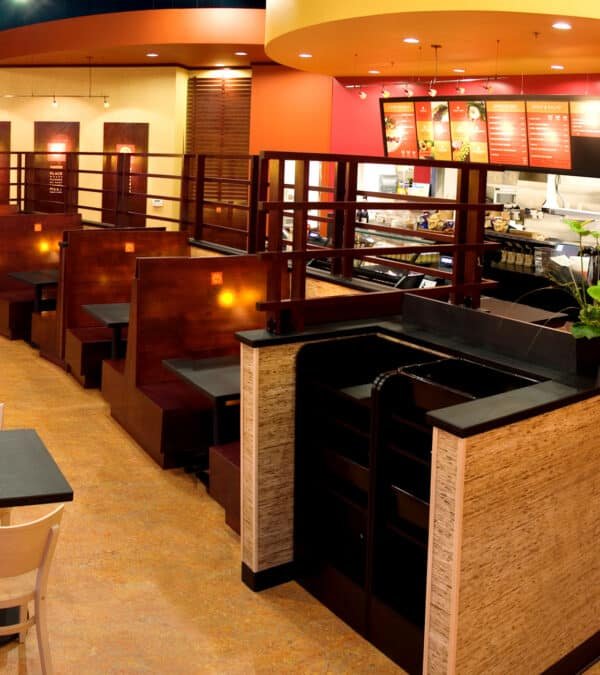
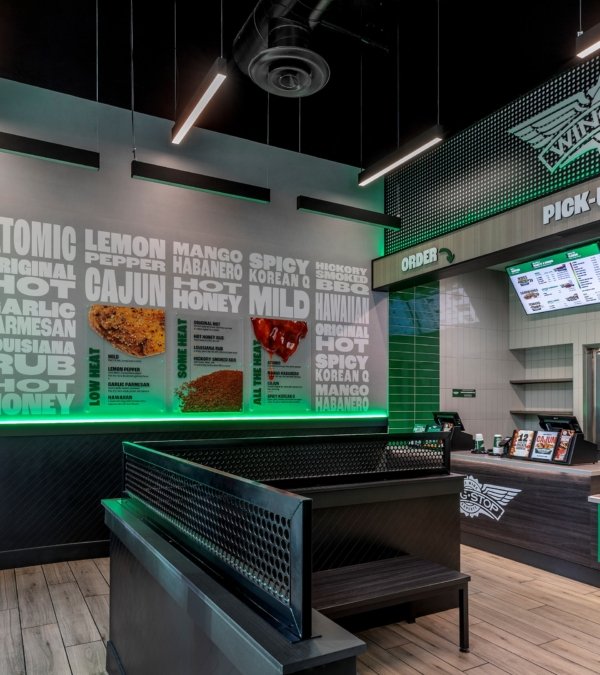
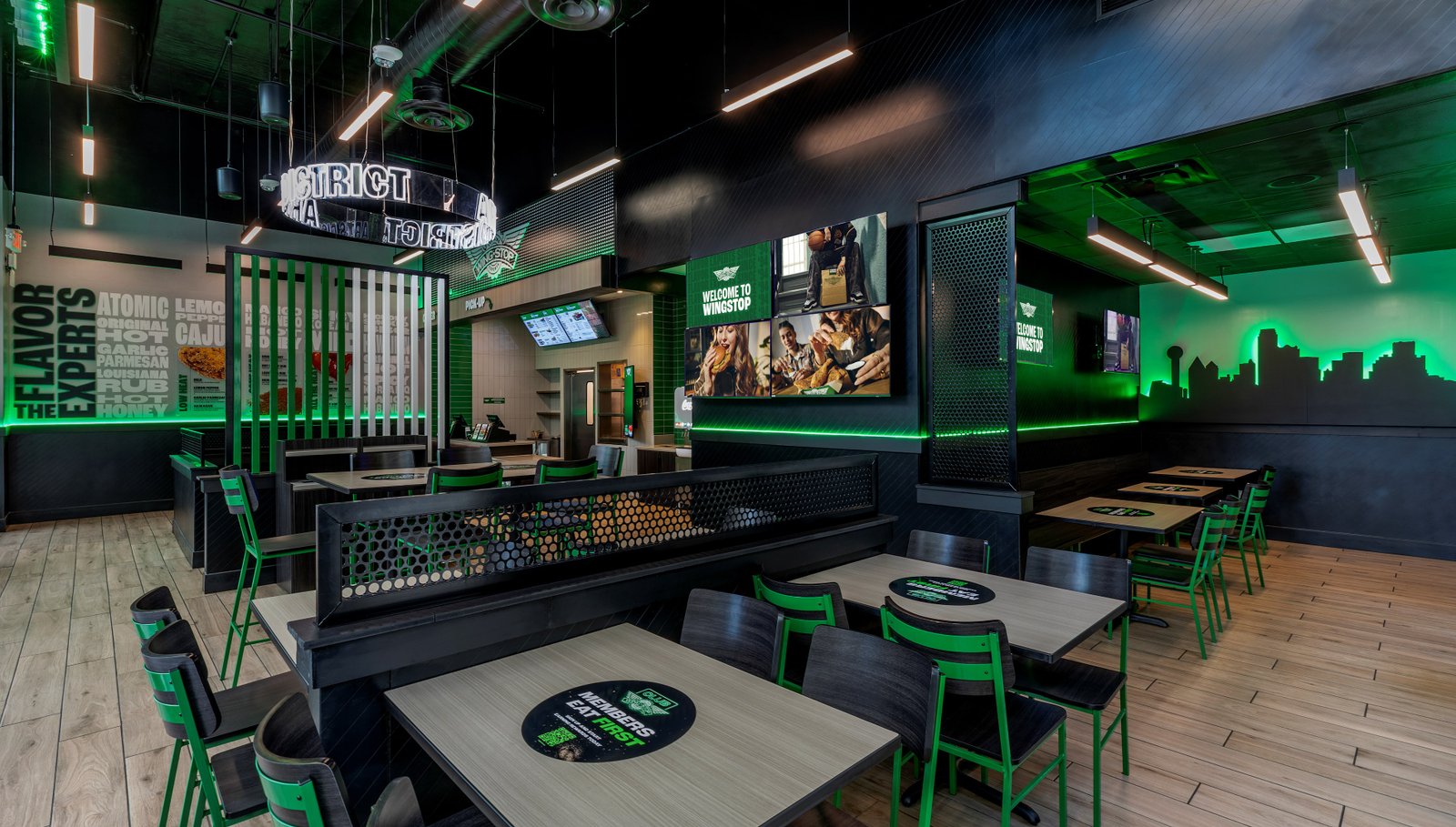
Third, the inside and outside of the location must communicate that customers have come to the right place. The design must be welcoming, reflect the true personality of the brand, and facilitate operations. Customers who’ve come to explore something new won’t come back if they’re underwhelmed.
2. Resilient Systems
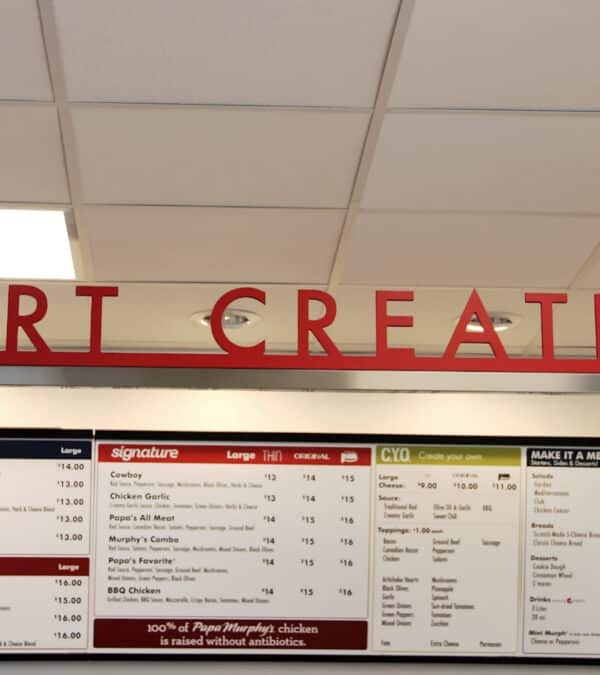
Systems are scalable. Micromanagement is not. The restaurant owner must use the first few locations to test out the systems, procedures, and specifications that will govern every aspect of creating and running expansion locations. Extensive documentation, training and ongoing communication are the only ways to ensure that the customer experience at the 34th location is as good as if they went to the original restaurant.
Additionally, these systems must be flexible and resilient, so managers can quickly solve the problems that will inevitably arise.
“First, clearly know and document your processes, procedures, rules, and structures that make your brand successful,” says David Knighton, VP of Operations and a franchise owner at Rodizio Grill. “Make those documents so clear that someone new to the organization can follow them.”
3. Beneficial Partnerships
Of course, it’s important to have vendors who are able to scale their services along with the franchise. This is a vital component of consistency. But it’s even better if these partners already have the experience and infrastructure to aid the franchise development team in developing logistics.
Senior Managing Consultant
Gallup
Freddy’s Shows How It’s Done
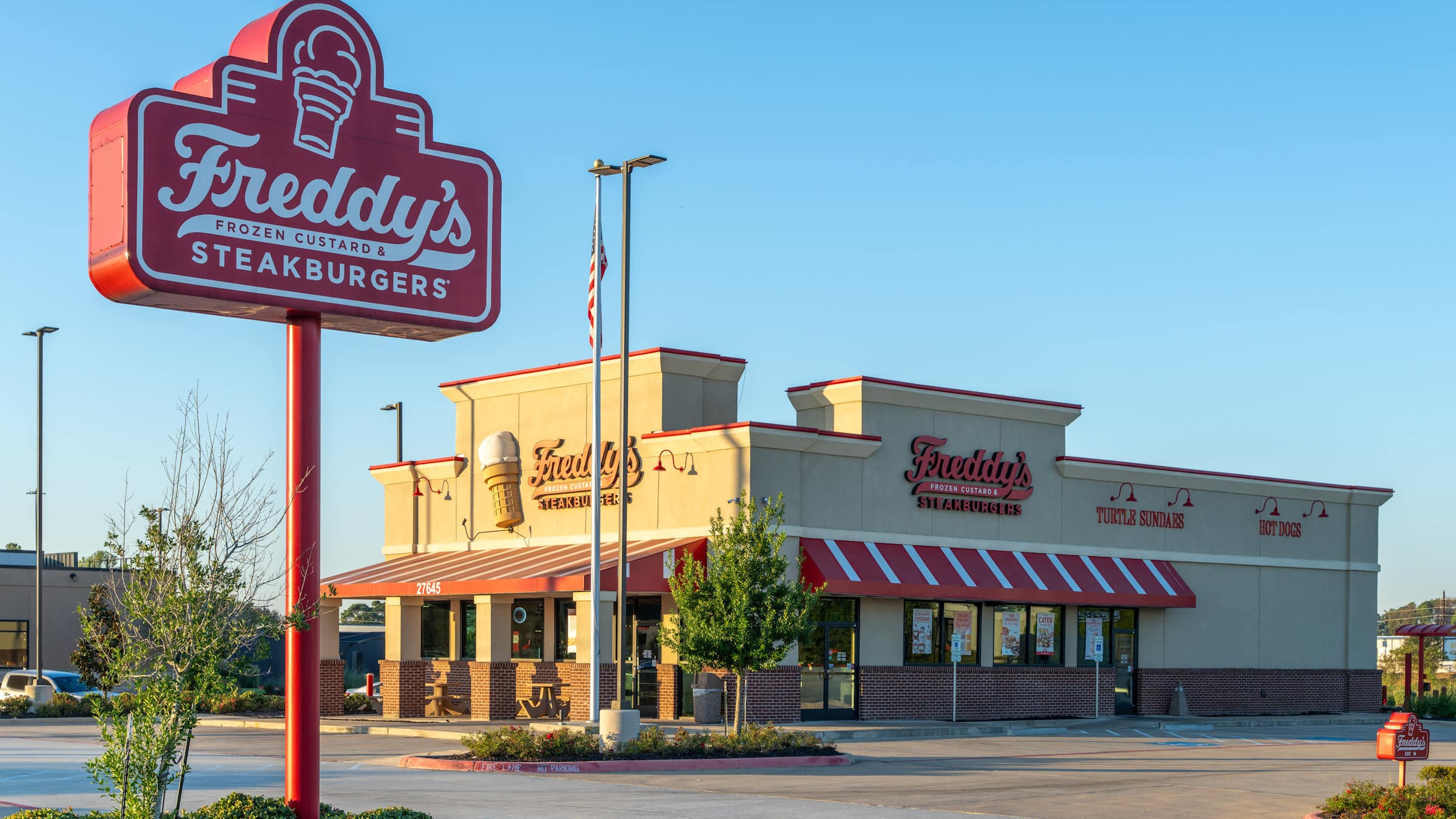
Based in Wichita, Kansas, Freddy’s Frozen Custard & Steakburgers has successfully grown from three to more than three hundred locations in the past fifteen years. With a five-year expansion rate of 30% and a closure rate of only 0.4%, Freddy’s has twice topped the Forbes list of Best Franchises To Buy.
There’s nothing remarkably creative about Freddy’s food offerings. In fact, they’re squarely in the mainstream of the crowded “better burger” concept. They smash their signature burger on the grill like a beef latke and serve it steaming hot. Their frozen custard is richer than ordinary soft-serve. However, their employees and the atmosphere of their restaurants are what have turned people into devoted Freddy’s fans and keep them coming back.
Co-Founder & CEO of Freddy’s
They hire for personality and train (and train) for everything else, with the result being that each location feels like you’re visiting the owners’ first store. And the franchisees feel less like they’ve joined a corporate machine and more like they’ve been adopted by a family.
Ready to scale your QSR?
Let’s talk →Restaurant Design Also Plays a Key Role. Writing for Forbes, Micah Solomon says that walking into one of their locations gives visitors the feeling they’ve just stepped into something built a long time ago. “The throwback ethos is what first caught my eye, an effort by architect and outfitter that was clever enough to fool me into thinking that this joint must date back to post-WWII times (although I did soon come to my senses and recall that the last time I’d driven by this location, it was an empty lot).”
The perfect environment in which to deliver the enthusiastic, cheerful service that also feels like it’s from another era.
It’s not easy to create a new quick-serve restaurant. And if it does succeed, it’s not a given that it can successfully make the jump to a franchise chain. Competition and complexity throw up roadblocks at every turn.
To make the leap from ten locations to a hundred, the owner must be able to replicate the smallest details in the systems, operations, and atmosphere that made the original location so good. And then enlist the help of strategic partners who have the experience and resources to scale as the franchise grows.
1 | Bailey, “Food Franchise Report.” Franchise Direct.
Franchise Expansion & Growth FAQs
Have a different question? Let’s talk →
What factors determine the best locations for franchise expansion?
Ideal franchise locations combine favorable demographics, convenient customer access, strong visibility, and a physical space that effectively communicates the brand’s identity. Evaluating these factors helps franchise operators select locations that support customer engagement, operational efficiency, and long-term growth.
What makes a franchise system scalable and resilient?
Scalable franchise systems rely on thoroughly documented processes, repeatable operations, and flexible standards that accommodate different locations. Strong systems maintain a consistent customer experience while adapting to operational challenges, market conditions, and continued expansion.
Why are strong vendor partnerships important for growth?
Reliable vendor partnerships help franchises maintain quality, streamline logistics, and support consistent execution across multiple locations. Strategic partners with scalable design, fabrication, and installation capabilities can simplify expansion while protecting brand standards and operational efficiency.
How do franchises like Freddy’s maintain loyalty while expanding?
Franchises like Freddy’s preserve customer loyalty by consistently recreating the atmosphere and experience that made the original concept successful. Hiring employees who reflect the brand’s personality, providing comprehensive training, and building strong relationships with customers and staff help maintain authenticity as the franchise grows.
Can rapid franchise expansion compromise quality?
Yes. Expanding too quickly without established systems, reliable partnerships, and consistent operational standards can compromise product quality, brand identity, and customer experience. Controlled, deliberate growth helps franchises maintain consistency while building a sustainable foundation for long-term success.