
Building a cult following is the ultimate expression of customer loyalty for quick-service restaurants (QSRs). While great food and friendly service attract repeat customers, truly devoted fans develop an emotional connection that makes their favorite restaurant irreplaceable. These customers become passionate brand advocates, sharing their experiences, recommending the restaurant to others, and strengthening its reputation through word of mouth.
What makes certain restaurant brands inspire such extraordinary loyalty? The answer lies in three essential qualities: uniqueness, exclusivity, and emotional connection. From signature menu items and insider ordering experiences to distinctive restaurant design and consistent customer service, successful QSR brands create experiences customers identify with personally. Discover what drives cult-like restaurant loyalty and how brands such as In-N-Out Burger have built devoted followings that endure for generations.
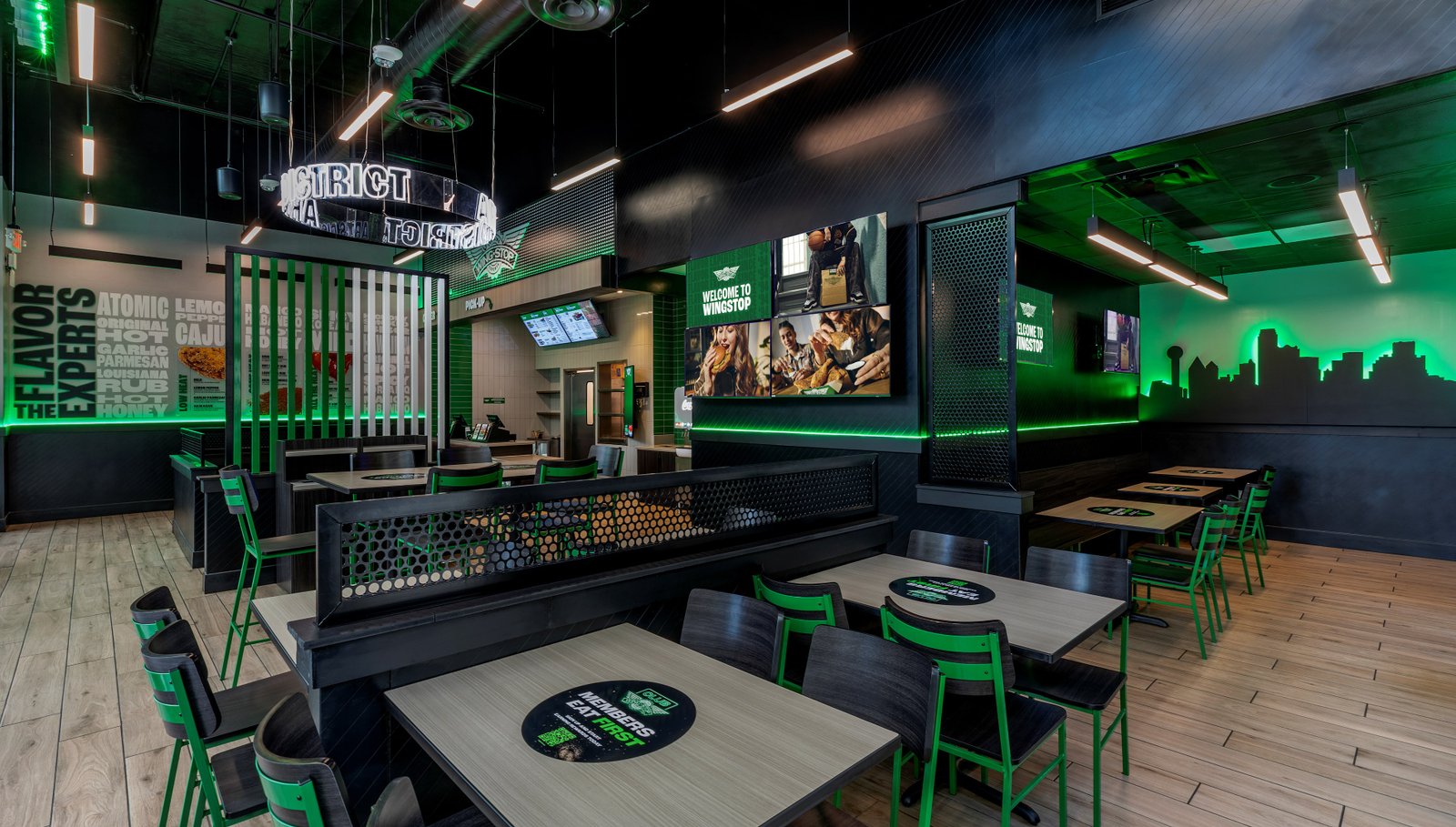
There are many quick serve restaurants (QSRs) that serve good food in a comfortable atmosphere and so attract regular customers.
But if they were closed down and replaced by a similar restaurant at a comparable value, most of their regulars would frequent the new place. But there are a select few QSRs who have customers so ardent in their devotion that if their favorite location was closed, they would gladly drive across town rather than lose out on the experience.
They love the food and the atmosphere, but more importantly, their relationship with the restaurant is a significant part of who they are. In industry parlance, they are cult followers of the brand.
VP of Guest Experience
Fiesta Restaurant Group
The benefit of a QSR achieving this cult status is that its marketing efforts are largely taken over by its customers. They come regularly to enjoy the food with friends. And they are always on the lookout for new people they can personally introduce to the experience.
There is no advertising as compelling as a friend telling another friend, “You have to try X. It’s going to change your life.” Once they try it together, it becomes a shared experience and the cycle of recruitment and reinforcement of loyalty multiplies.
This is exactly how religious cults grow. Fortunately, a QSR can enjoy an avid following without telling their customers to sell everything and move into the restaurant.
How Do You Tell If You Have “IT”?
It’s possible to run a profitable QSR chain without a cult following. Customers don’t need to be obsessed with the restaurant to return again and again.
However, ardent fans will go one step further and believe that their favorite brand cannot be replaced. In their minds, nearly identical food created by other restaurants just isn’t the same.
This is the first sign of a cult following.
The second is that fans will gush on and on about the chain both in face-to-face conversations and on social media.
“Unique features of your company compel people to want to share with their following,” writes Jess Ekstrom in Entrepreneur. “It’s up to you to give them something to talk about.”
Finally, seemingly minor changes, such as to the menu or other parts of the experience, will evoke a strong response. Because they feel like they share ownership in the restaurant in a small way, obsessed fans are sensitive to any alteration that in their view will ruin the experience. So to avoid losing cult followers, any changes or improvements must be in character with the brand.
How to Build a Cult Following
Setting out to create an obsessive fan base by copying the strategies of other businesses that have achieved this kind of following is akin to trying to recreate a chef’s signature dish. Even if you work from the same recipe, there’s a good chance you won’t succeed in replicating their success.
One of the hallmarks of QSRs with cult followings is that when they were founded, they did not have this goal in mind. Instead, they were focused on creating their version of the best possible food and experience for their customers, and the fact that they struck a chord with an obsessive fan base was a secondary effect.
Still, the attributes of food outlets with a cult following are not difficult to identify.
UNIQUENESS: Give people something to talk about.
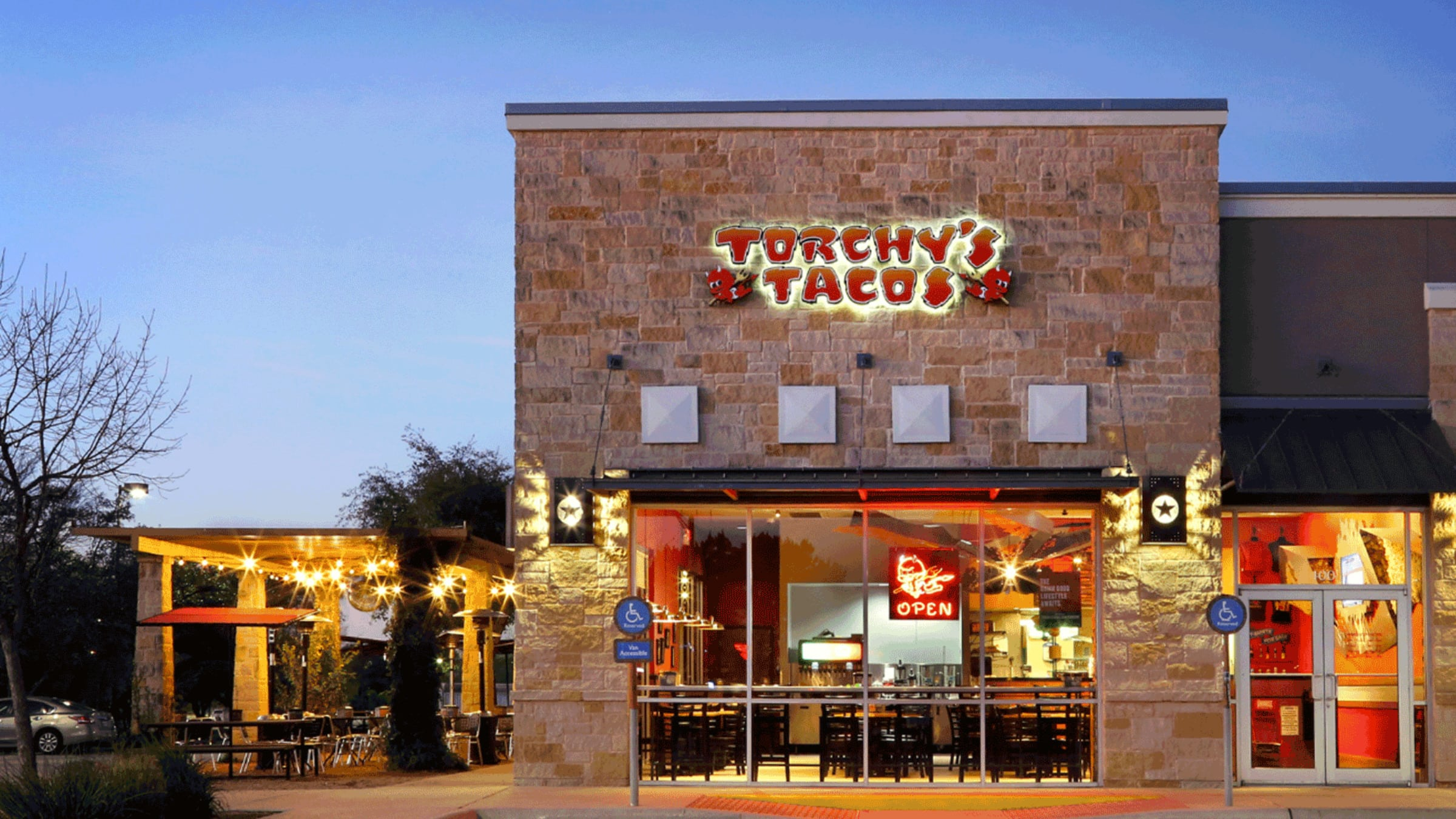
Torchy’s Tacos, a fast-growing taqueria chain based in Austin, TX, has a spicy queso (cheesy soup) that’s unlike anything you can get at other Tex-Mex QSRs. “Have you tried the queso at Torchy’s?” is a conversation starter that has resulted in long lines at 55 regional locations.
for Business Insider
Another example is Cafe Yumm!, a QSR with 23 locations in the Pacific Northwest. The chain’s cuisine is based on a tough-to-describe but highly addictive Yumm Sauce. The secret recipe has so far proved impossible to duplicate and so commands a premium of $17 for a salad dressing size bottle.
food critic for The Seattle Times
EXCLUSIVITY: Only fans in the know, or who live in a certain region can get it.
QSRs with cult followings are not located on every street corner or in every region. When a franchise has thousands of locations across the country, it gains convenience but loses exclusivity.
For example, the food at Chipotle is just as freshly made as ever but now that it’s grown to 2,500 locations, it’s not exactly hard to get. This kind of saturation means that the opening of a new restaurant is not exactly buzzworthy.
Entrepreneur
Another type of exclusivity that helps to establish a cult following is having the ability to order off-menu items. In-N-Out Burger’s unofficial special orders have been described as the worst-kept secret in QSR. But few things make a customer feel more a member of the in-crowd than stepping up to the counter and being able to order something off-menu.
How to Build a Loyal Customer Base for Your QSR Chain
CONNECTION: The relationship is the most important thing.
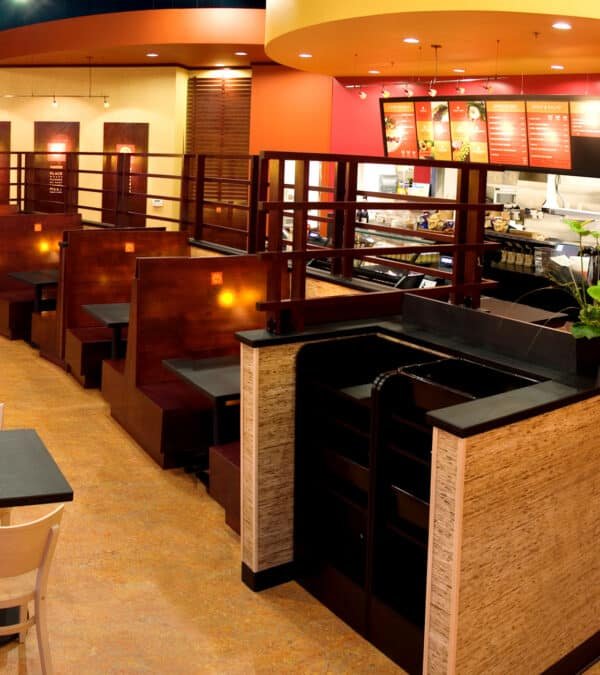
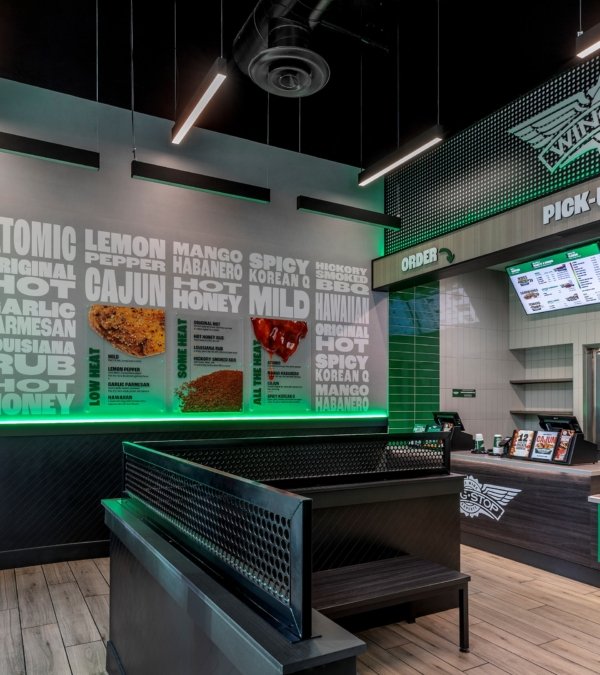
From the design and décor to the menu and ingredients to the way guests are treated by the staff, restaurants with cult followings make customers feel like this is their kind of place.
They feel energized, relaxed, and most importantly, understood.
“In the end,” writes Brandwatch analyst Brian Johnson, “to build a brand with extreme consumer loyalty, the single most important aspect is that sense of home when you’re inside the store.”
This may be the most difficult aspect of building a cult following. It requires the organization to go beyond simply knowing about their customers and getting to the point where they identify with them.
From the customer’s perspective, profitability must seem secondary. The restaurant must be wholly focused on getting the experience right, even if this does not make sense in terms of efficiency and margins.
Most of the quasi-public spaces people frequent for shopping, eating out, or conducting other business have a utilitarian feel. The dining room at McDonald’s may be neat and modern, but customers can sense that overall it was designed to be easy to clean.
So when they can find a food location where they feel catered to as an individual, it forms a strong connection.
Ready to create a cult-like following for your QSR chain?
Let’s talk →A Cult Following That’s Nearly 80 Years Strong
Months after it opened, the small burger restaurant in Keizer, Oregon has continued to draw long lines at mealtimes. Scores of cars snake back through the mall parking lot where the eatery is located, waiting for their turn at the drive-through window.
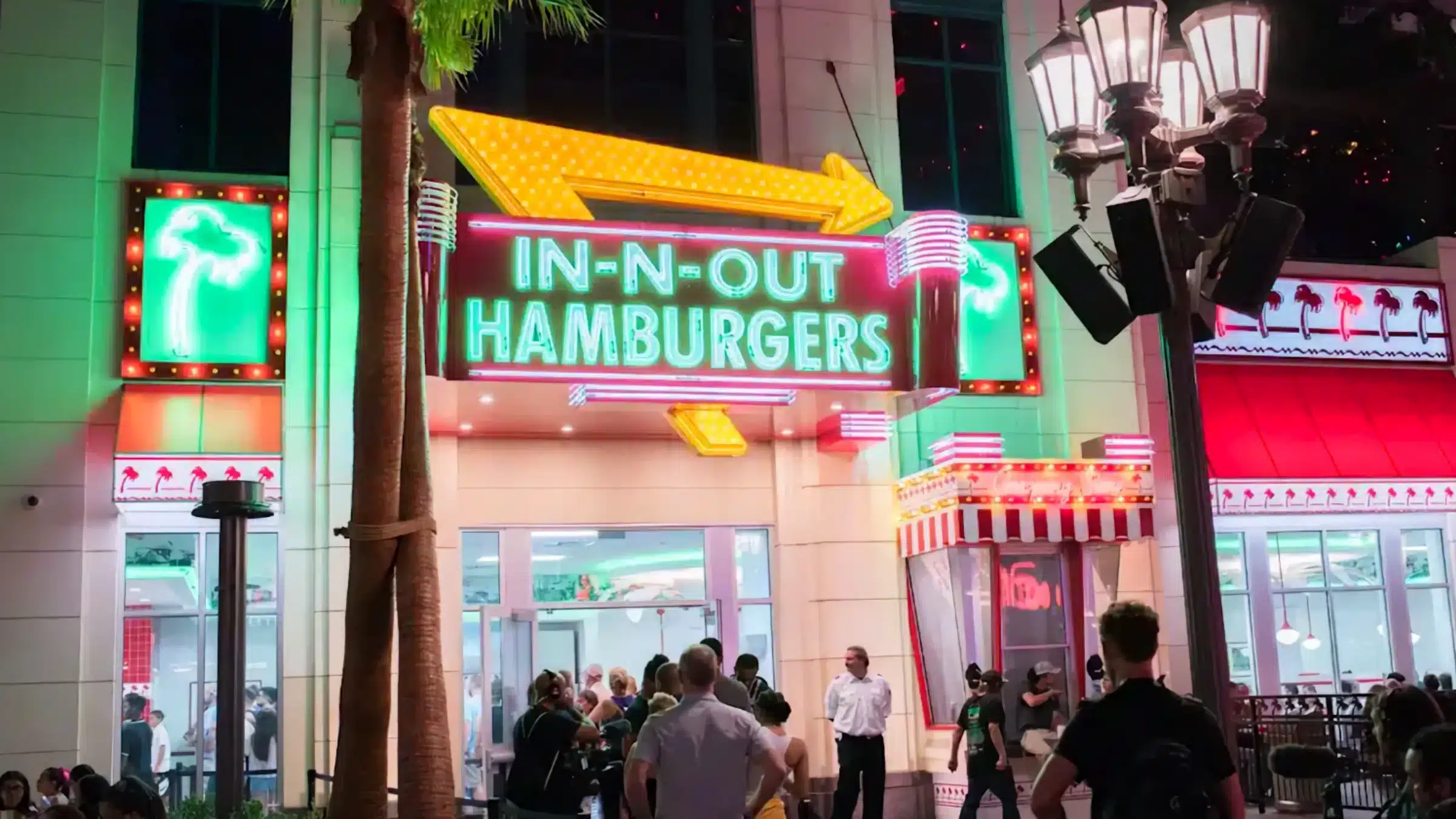
The casual observer might conclude that this QSR is giving away their hamburgers for free. It’s not. It’s just the newest location of In-N-Out Burger, the California chain with a fanatical following.
In an overcrowded marketplace that includes the big burger chains like McDonald’s, Burger King, and Wendy’s—as well as a slew of “better burger” players like Five Guys, Big Little Burger, and Whataburger—customers are willing to drive from out of the area, brave long lines, and endure extended wait times just to get their order from In-N-Out.
The chain has also attracted a nearly cult-like following by analysts in the restaurant industry as they seek to reverse engineer and duplicate the chain’s success. If only it were reducible to a simple formula. Like in the case of the goose that laid the golden egg, this kind of dissection doesn’t reveal a single, secret mechanism that will guarantee a cult following.
However, In-N-Out does have similarities to other chains that have connected with enthusiastic fans.
It’s a genuine throwback. Founded in 1948 by Harry and Esther Snyder, the restaurant has changed little. The buns are still baked fresh each morning. The never-frozen beef is still ground daily. And the french fries still begin each day as a bag of locally grown potatoes. Because of this, the chain will only expand as far as its supply chain of fresh, local ingredients.
The menu is unique for its brevity, listing only 15 items. By comparison a McDonald’s will have more than 80. Forbes reports that In-N-Out has a test kitchen facility, but rarely uses it because they are not in the habit of adding new things to the menu.
The chain has capitalized on the power of exclusivity by expanding slowly. A large number of their fans have to make an extra effort to visit the restaurant. However, when they do, they are rewarded by another kind of exclusivity—being able to order off-menu options like having their burger prepared “Animal Style.”
Sociocultural and Food Anthropologist
Finally, the chain has built a long-term relationship with its customers that is difficult to compete against. They haven’t resorted to flashy or trendy marketing campaigns. They don’t have a sophisticated loyalty program. They have simply been an unwavering version of themselves for nearly eight decades.
Stacy Perman, author of In-N-Out Burger: A Behind-The-Counter Look at the Fast Food Chain That Breaks All the Rules, says that the company has consistently curried favor by being simply what it is—earnestly, consistently, and unapologetically so. Leaders haven’t commercialized their secret menu or chased trends and national growth.
“In-N-Out has brand loyalty, and it’s based on a real thing, not contrived,” Perman says.
While every QSR would love to have a cult following, it seems that the ones who have actually achieved it have not made this their primary goal.
Instead, they have focused on serving their customers uniquely good food, making them feel welcomed and understood, and then maintained their singular way of doing things in spite of the latest trends and profit-enhancing shortcuts.
In a world where disruption and innovation are the norm, customers find themselves gravitating to businesses that are committed to staying true to themselves. Like an attachment to an old friend, the connection grows stronger with time.
QSR Cult Following FAQs
Have a different question? Let’s talk →
What defines a cult following for a QSR?
A cult following exists when customers are fiercely loyal, advocate for the brand enthusiastically, and believe no other restaurant can replace their favorite.
How can a QSR tell if it has “IT”?
Signs include obsessive loyalty, strong social media buzz, word-of-mouth promotion, and passionate reactions to minor menu or experience changes.
What are the key strategies to build a cult following?
Focus on three main attributes: Uniqueness, Exclusivity, and Connection with customers.
Why is exclusivity important?
Exclusivity makes the brand special and encourages customers to go out of their way to experience it.
What role does customer connection play in cult status?
Connection is critical: customers must feel welcomed, understood, and emotionally tied to the brand. This drives long-term loyalty beyond food quality alone.
Can cult status be planned strategically?
Most cult-following QSRs achieve it as a byproduct of consistently providing unique, high-quality experiences rather than aiming for it directly.
What is an example of a QSR with an enduring cult following?
In-N-Out Burger has maintained cult status for nearly 80 years through consistency, limited menu items, high-quality ingredients, slow expansion, and strong customer relationships.