

Brick-and-mortar retail is evolving as shoppers seek more than convenience and competitive prices. Personalized shopping experiences, engaging store environments, and meaningful interactions are becoming essential for attracting customers and building brand loyalty. From younger consumers looking for authentic connections to online retailers expanding into physical locations, businesses are discovering the value of creating memorable in-store experiences.
Innovative retail concepts such as grocery store restaurants, interactive displays, and personalized services are transforming traditional shopping into something more experiential. By combining thoughtful retail design, technology, and distinctive brand experiences, retailers can differentiate themselves from competitors, encourage repeat visits, and increase sales.
Boost Your Sales with Cool Customer Experiences
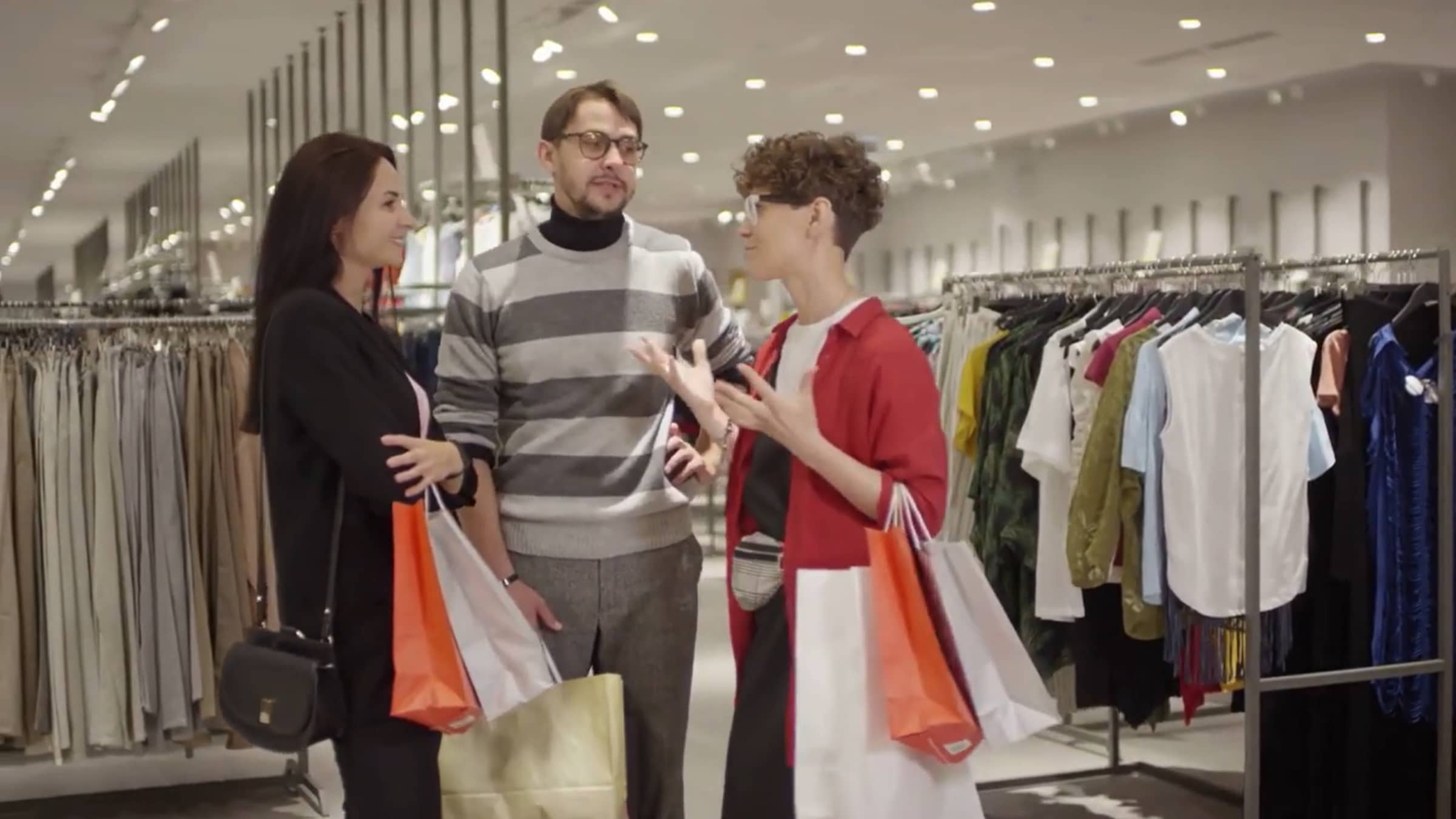
Online shopping has made purchasing everyday products easier than ever, but convenience alone doesn’t always create lasting customer relationships. While ecommerce offers speed and accessibility, physical retail stores provide something digital platforms cannot fully replicate: the opportunity to see, touch, explore, and interact with products and people in a memorable environment.
Today’s shoppers increasingly expect retail experiences that reflect their interests, lifestyles, and personal preferences. From grocery stores incorporating restaurants and tasting areas to specialty retailers offering customized services, businesses are finding creative ways to make shopping more enjoyable and engaging. These experiences give customers compelling reasons to visit stores rather than simply placing another online order.
For retailers, the opportunity lies in understanding what makes their brand unique and translating those qualities into a physical environment. Strategic store design, personalized customer service, and innovative features can transform ordinary retail spaces into destinations that strengthen brand identity, encourage customer loyalty, and ultimately drive sales.
Make it personal
Everybody knows customers love personalization. Personalization doesn’t just mean coffee mugs with their initials on it anymore; it’s the idea that you can make their interaction with your brand something totally unique. Making their shopping experience custom is getting easier and easier as technological advances become readily available, and for a relatively inexpensive investment.
… they are even eager to give you personal information if that means an additional benefit for them. Making the customer feel like they are receiving a totally unique and hand-picked experience in your store will establish trust and keep them coming back for more.
Enter: the ‘groceraunt’
Kroger has just announced plans to launch its first restaurant concept, Kitchen 1883. The new venture embraces the locavore movement, featuring a scratch-made menu and handcrafted cocktails.
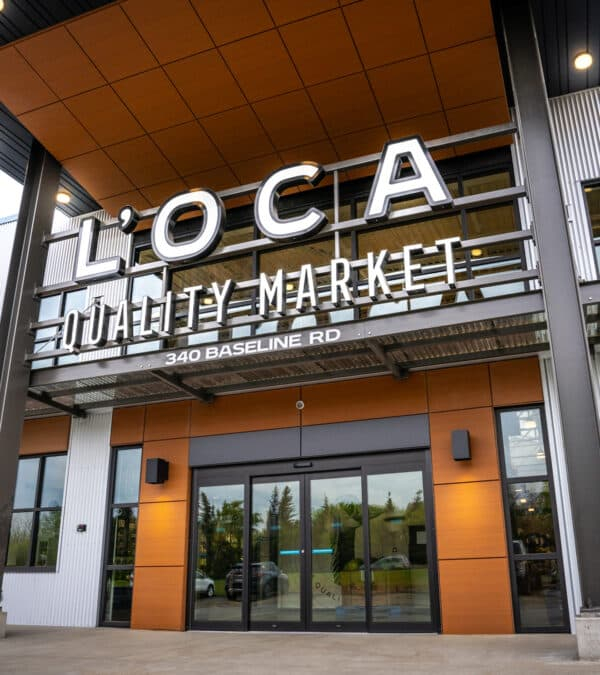
The ‘groceraunt,’ a term stemming from the blending of a grocery store and a restaurant, is just one way stores are upping the ante with customer experience. The groceraunt concept is a welcome addition to the grocery bars and tasting rooms, tea houses, and upscale beauty aisles.
Even online retail giant, Amazon, has made concerted efforts into brick-and-mortar, launching their flagship bookstore in Seattle back in August 2017, and its newly announced pop-up bar in Tokyo to promote their foray into liquor sales.
Only two things are certain in life:
lattes and taxes
Grocery stores aren’t the only ones getting in on the shopper experience game, the customized experience is easily adaptable into most any retail environment, including service retail.
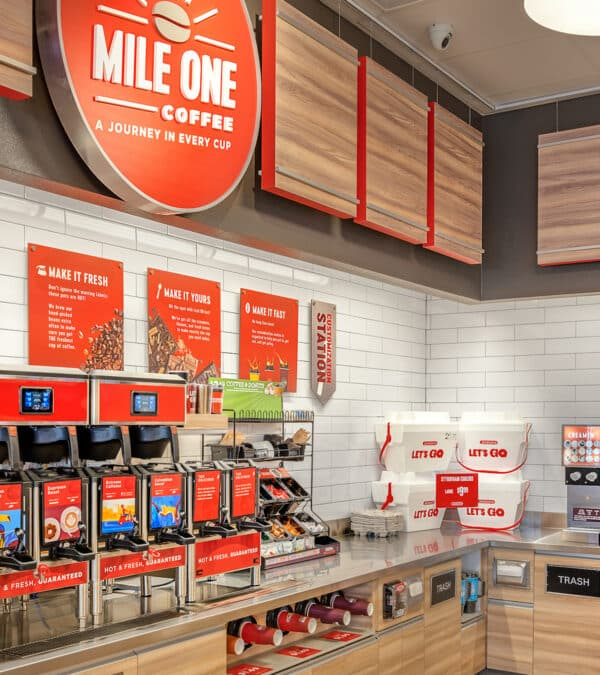
Tax season is a stressful time for most people. The fear of messing up and costing your family money can drive people to seek out tax service help last minute. What if you could make the filing process enjoyable? Kick back in a coffeehouse-like setting while having tax consultants available when you have questions. If only H&R Block had couches and espresso shots.
Ready to learn how KRS can help you connect with your customer, make a lasting impression, boost brand image and drive sales?
Let’s talk →Change begins within
Whether you are making the jump from online to brick and mortar or looking to refresh to stay relevant, not getting lost in the fold of being just another brick and mortar retailer is a serious concern. People are more-and-more plugged into technology and are expecting cool features and surprising gimmicks in traditional retail stores, along with the service and quality you just can’t get from a screen. It sounds like they are asking a lot, but digging deep, and a little investment, can go a long way.
Defining your place in the retail space always begins with your brand. Indicating, and locating, those bits of differentiators that will set you apart from the sea of others offering the same goods and/or services is number one. You want your most important brand elements front and center.
Identifying your target demographic, and if you’ve had a presence for a while (whether online or physical), learning from your customers will provide you with invaluable suggestions on how to enhance their interaction with your brand.
Analyze your customer feedback and represent it physically. Work closely with your team on figuring out the tough questions:
- Are we trying to evoke a feeling from our customers?
- How are we going to place our staff?
- Is there a certain attitude to be conveyed?
These questions are especially important coming from an online space where there has been no human interaction with your customers before.
Why are we even talking about brick and mortar , isn’t it going away? How are we going to survive?
Becoming Cher
Jimmy James once quipped, “After a nuclear holocaust, all that will be left are cockroaches and Cher.” This retail apocalypse may never come, and if it does, it’s survival of the fittest, and Cher has always been pretty darn fit. For now, brick and mortar is not dead, or even dying for that matter. However, the competitive nature of retail is growing stronger and becoming a beast that cannot be tamed. How will you survive the ever-changing retail landscape? Be smart, modernize and adapt… become Cher.
Experiential Retail Design FAQs
Have a different question? Let’s talk →
Why is a physical retail space still important in the age of online shopping?
Younger consumers value the ability to see, touch, and try products in person. Physical spaces allow brands to offer personalized, memorable experiences that can’t be replicated online.
What is a “groceraunt”?
A ‘groceraunt’ blends a grocery store with a restaurant, offering scratch-made menus, tasting bars, or curated food experiences that enhance customer engagement.
How can retailers personalize the shopping experience?
By creating unique, hand-picked experiences, leveraging technology for customized interactions, and using loyalty programs to reward individual customer preferences.
Can experiential retail work outside of traditional stores?
Yes. Non-traditional sectors like service retail, universities, and medical offices can implement engaging, personalized experiences to connect with customers or clients physically.
What is the first step to creating a successful customer experience in-store?
It begins with the brand: defining its differentiators, identifying the target demographic, analyzing customer feedback, and translating those insights into a physical, engaging, and emotionally resonant store experience.