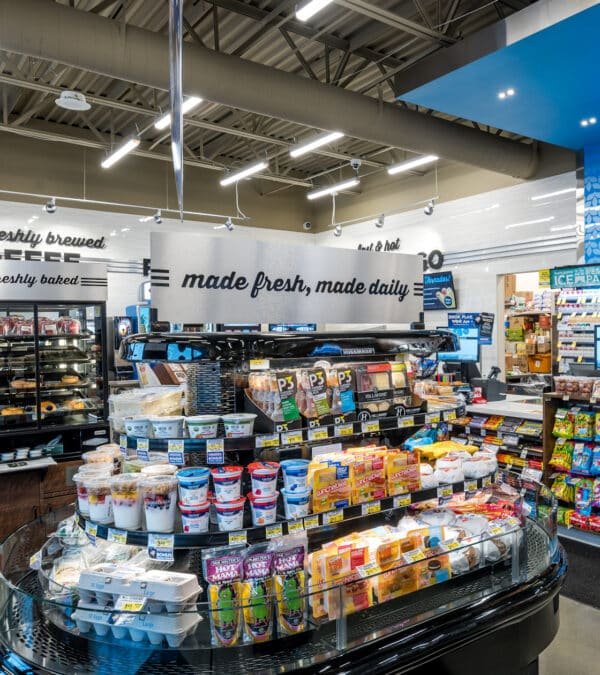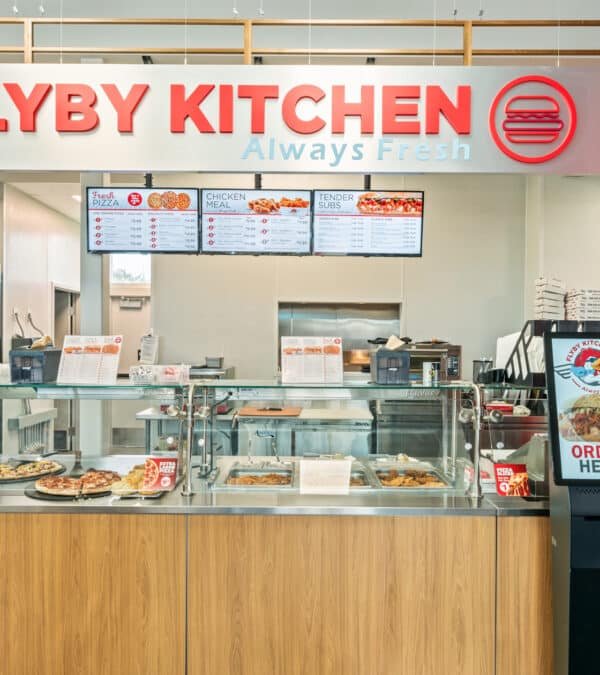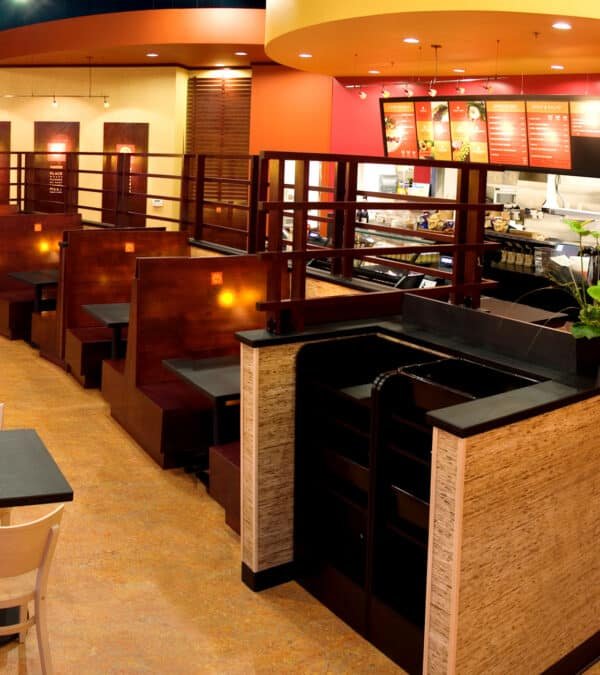

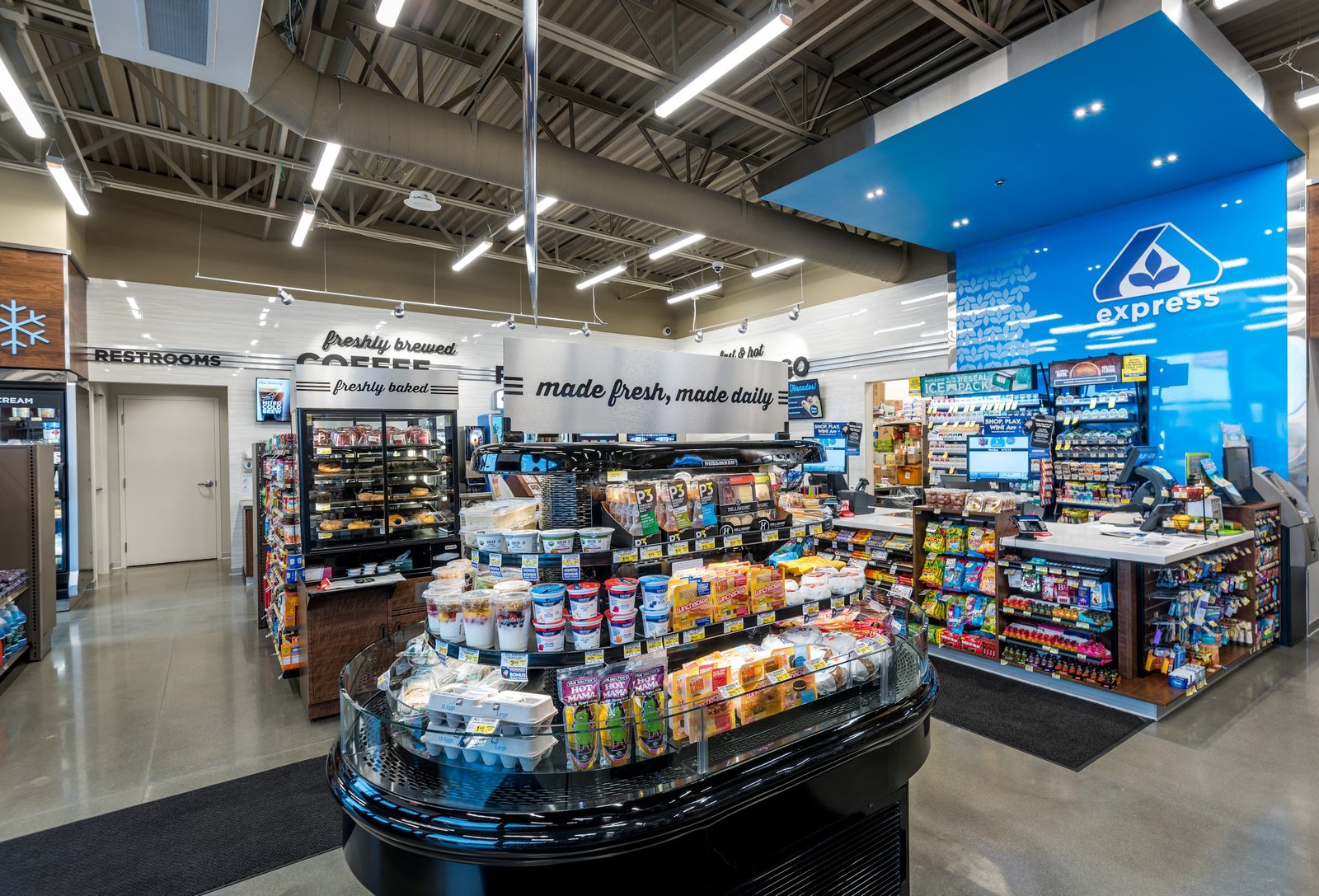
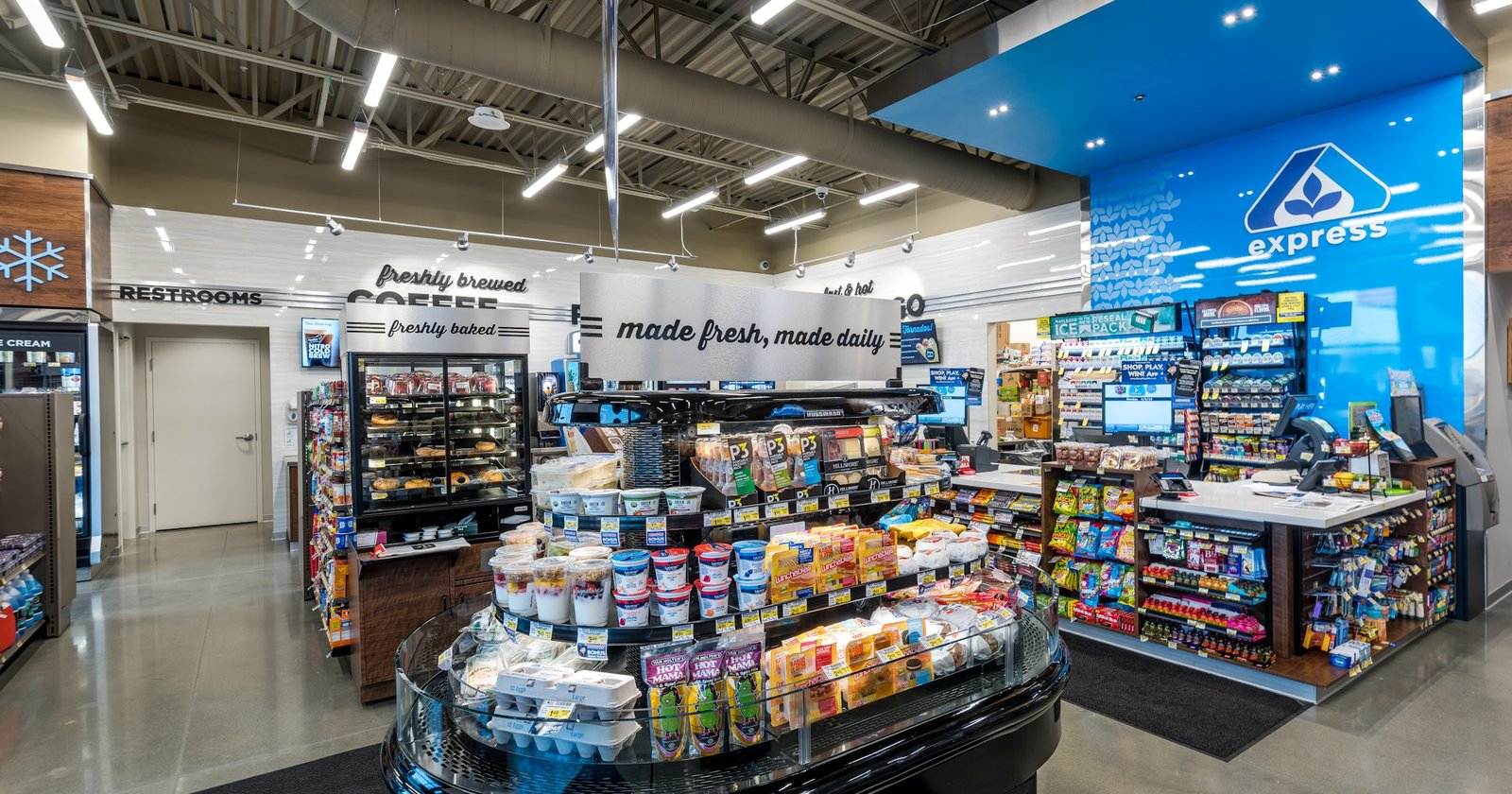
Programmatic décor is a standardized system of modular kits, shared fabrication specs, and coordinated installation that lets convenience-store chains keep every location on-brand while cutting rework and speeding up rollout
Executive summary
As convenience brands expand across markets, holding a consistent in-store experience gets harder, not easier. Store sizes vary, legacy conditions differ, and remodel timelines are compressed.
Programmatic décor answers that with a scalable system. By developing modular décor kits backed by standardized fabrication, kitting, and installation logistics, chains deploy consistent brand environments across dozens of locations without starting from scratch each time. KRS supports the approach end-to-end, from strategy and CAD visualization through fabrication, kitting, QA, and nationwide installation.
The C-store décor challenge
Décor is often one of the last elements addressed in store development, yet it plays an outsized role in how customers experience the brand inside the store. When decisions are made store-by-store, inconsistency follows: different vendors, varying materials, and ad hoc installation lead to delays, higher costs, and a brand that looks different depending on which door a customer walks through.
A programmatic strategy replaces those one-off decisions with a scalable system built specifically for multi-location rollout.
Designing modular décor kits
Effective programs start with a custom-designed system, built around your brand, that adapts to different store formats. The goal is a system flexible enough to handle real-world variability without sacrificing brand consistency. Kits typically include:
- Tiered décor packages aligned with store size, format, or investment level
- Standardized materials and finishes chosen for durability and easy replacement
- Localization options that allow regional cues without disrupting brand identity
- Flexible sizing and mounting to accommodate legacy store conditions
This modular approach gives chains the consistency of a system with the adaptability of a custom solution.
Turning design into a production system
A great concept means nothing if it can’t be reproduced reliably at scale. Detailed CAD documentation, finish schedules, and fabrication standards ensure every panel, graphic, and fixture overlay is produced consistently, protecting the integrity of the original design while enabling efficient manufacturing and installation across every location in the rollout. At KRS, design development is aligned with fabrication planning from the start, so programs move seamlessly from concept to production, and from one location to fifty.
Kitting, QA & installation logistics
Execution is where rollout programs succeed or fall apart. A programmatic approach relies on disciplined logistics to keep installations predictable at scale, store-specific kitting packaged before it leaves the warehouse, QA reviews conducted prior to shipment, installation sequencing aligned to construction timelines, and coordinated nationwide crews who understand the program. This structured process reduces site-level surprises and keeps large rollouts on schedule and on brand.
Ready to build a décor program that scales?
Let’s talk about your rollout →Case snapshots
Recent projects show how structured décor programs reinforce brand identity while supporting operational scale.
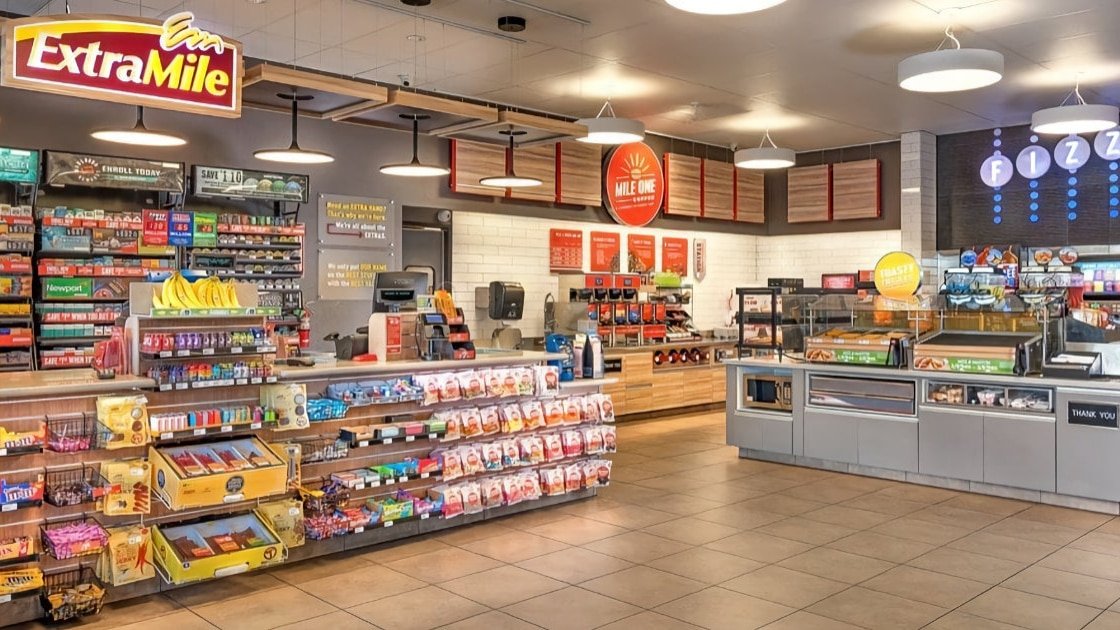
In the ExtraMile program, décor played a central role in expressing the brand while adapting to a wide range of existing store footprints, one system flexible enough to fit hundreds of distinct floor plans.
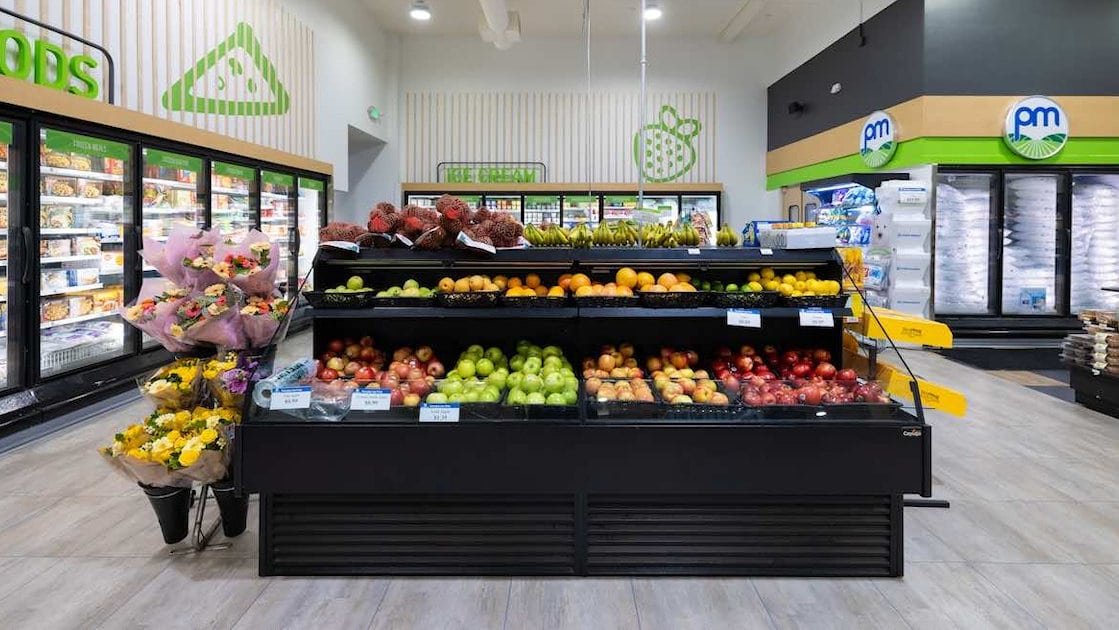
For Power Market, décor translated a fresh, modern identity into a consistent in-store environment across multiple locations, modular millwork and finishes functioning as a repeatable blueprint rather than a one-off design.
Measuring the ROI
Programmatic décor is not just a design-efficiency play. It’s a business-performance strategy. When décor decisions are made location-by-location without a standardized system, costs compound: industry research puts rework alone at 5–9% of project budgets, with expedited fixes costing far more than getting it right the first time. A programmatic approach flips that equation:
- Higher on-time installation rates from pre-packaged, store-specific kitting
- Reduced defect and rework levels caught through QA before components ship
- Shorter production and delivery timelines from standardized fabrication specs
- Lower long-term replacement and maintenance costs from durable, spec’d materials
Key takeaways
Relying on store-by-store décor decisions leads to inconsistency, higher cost, and delay. Treating décor as a system of modular kits, standardized fabrication specs, store-specific kitting, and quality assurance lets brands scale efficiently, reduce costly rework, accelerate timelines, and build a stronger, more consistent presence across every location.
Programmatic décor FAQs
Have a different question? Let’s talk →What is programmatic décor for convenience stores?
Programmatic décor is a standardized approach to designing, producing, and installing branded environments across multiple locations. Instead of making one-off decisions store by store, brands use a modular system of components, materials, and processes that can be deployed consistently at scale.
How is programmatic décor different from an off-the-shelf kit?
Programmatic décor is not a pre-made product. It is a custom-built system developed around your brand standards, store formats, and operational goals. The modular structure creates repeatability across locations while every component remains specific to your brand.
Can décor be customized for different store sizes?
Yes. KRS can develop tiered décor packages that align investment with store size, format, and location requirements while maintaining a consistent brand experience across the entire network.
How much does a programmatic décor program cost?
Cost depends on store count, format variety, material selections, and program scope. The model is designed to reduce total cost of ownership through standardized fabrication, store-specific kitting, less rework, and durable materials that reduce long-term replacement and maintenance costs.
How long does it take to roll out décor across multiple stores?
Once the décor system is designed and approved, individual store installations can move quickly because components arrive pre-kitted and labeled for each location. Rollout schedules can be compressed further by running site surveys, approvals, and production in parallel rather than sequentially.
Who handles installation across different locations?
KRS coordinates nationwide installation with certified crew leads overseeing local crews, helping maintain consistent quality and brand standards whether a program covers five stores or five hundred across the United States and Canada.
What other resources do you have to learn more about this topic?
A few related reads and projects worth a look:
- Programmatic Décor for C-Stores: Scaling Brand Consistency Without Losing Local Flavor
- Retail Design Execution, Integrity & Rollout: The ROI of Store Design, Part Three
- How Retail Branding Drives the ROI of Store Design: The ROI of Store Design, Part One
- ExtraMile Case Study: Expressing the Brand Through Store Design
- Case Study: A Multi-Unit Grocery Store Renovation for Save A Lot