
The ROI of Store Design, Part Two: Store Planning & Design
In Part One of this series, we focused on branding—the foundational element of great retail design. Branding defines who you are as a retailer, and it’s the anchor your customers connect with emotionally. It sets the tone, tells your story, and forms the promise you deliver through every other design choice. Now, in Part Two, we move from the intangible to the tactical—from brand identity to the physical layout of your space. This is where ROI becomes more measurable. Store planning and design are about choreographing your shopper’s journey: the path they take through your space, the time they spend in it, and the visual and sensory cues that guide them along the way.
Why Layout Matters: The ROI of Experience Design
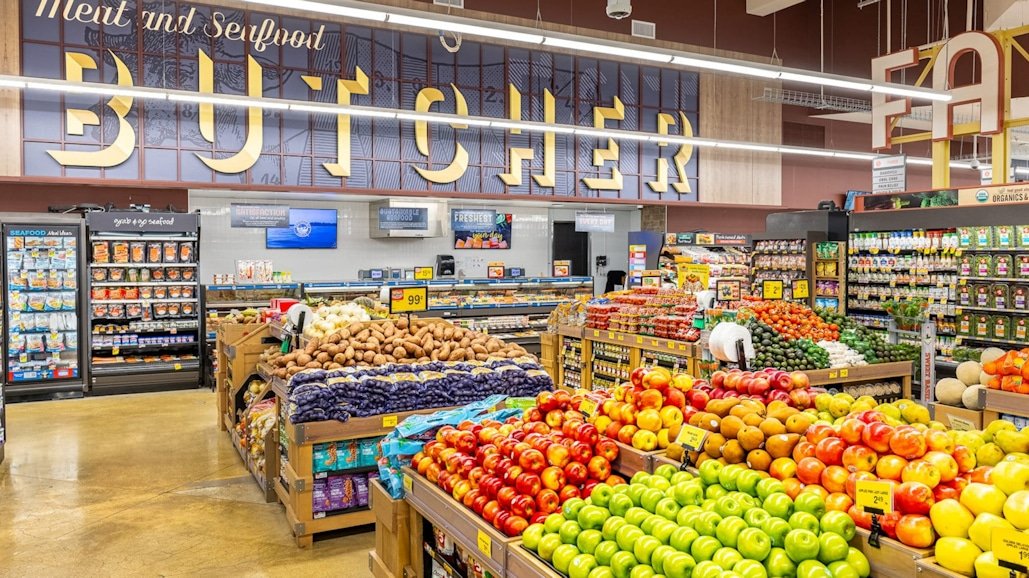
Effective store planning isn’t just about where things are placed — it’s about designing an experience that makes people want to stay longer, discover more, and come back again. Strategic planning of flow, sightlines, lighting, and category adjacencies has a direct influence on shopper behavior. Research shows that store layout impacts everything from purchase intent to brand perception. As a Forbes article on retail psychology explains, thoughtful store environments influence how long customers linger, how they interpret value, and how emotionally connected they feel to the shopping experience.
And the data backs it up:
- Most remodels result in a 7%–10% sustained sales increase
- Many see an initial bump as high as 40%, settling at around 20% over time
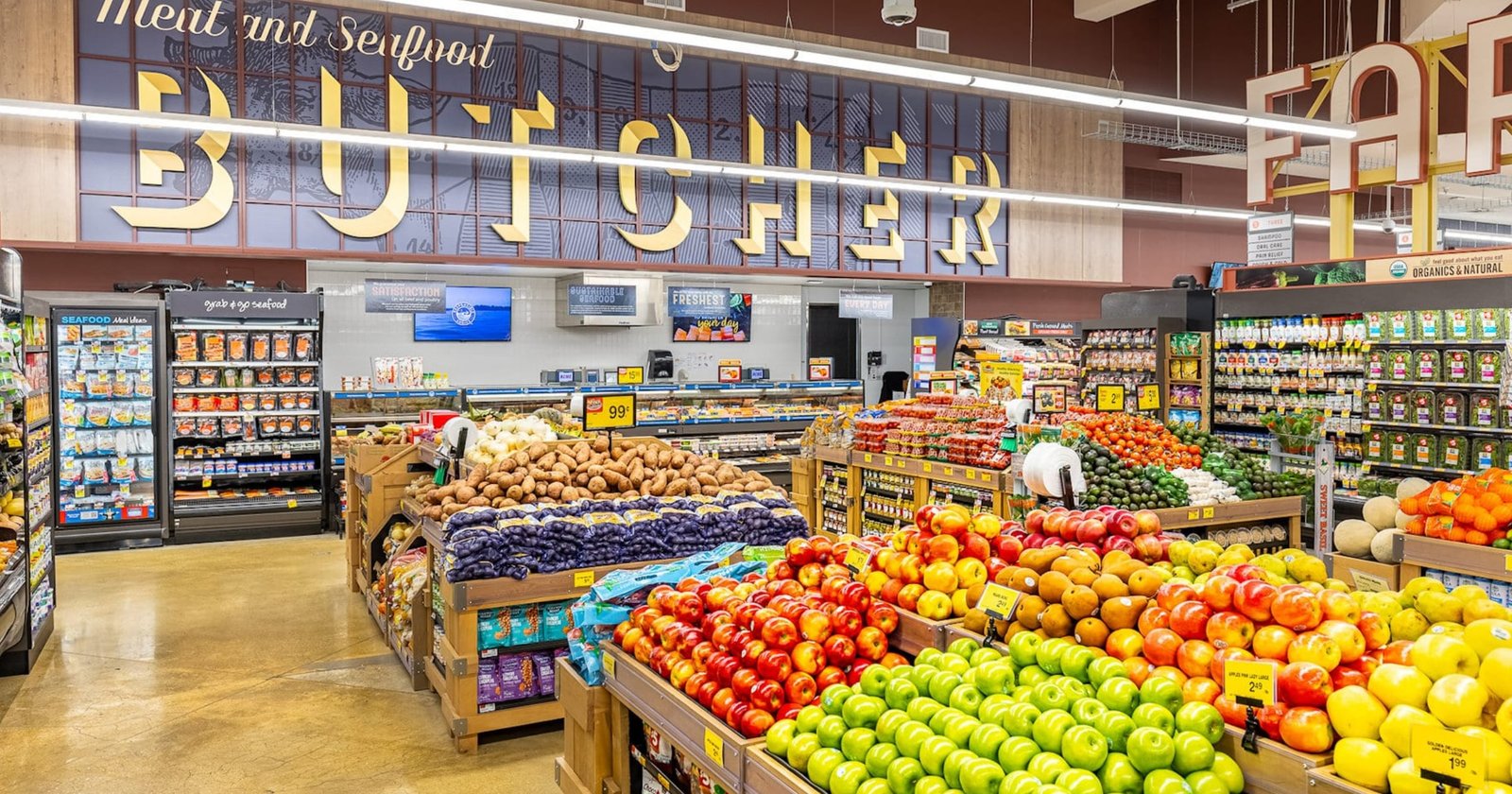
- One standout store saw a 70% sales spike in the produce category alone
The reason? The longer a customer enjoys being in your store, the more likely they are to spend—and to return.
7%TO
20%
SUSTAINED
SALES INCREASE
20%
LONG-TERM
INCREASE
Remodels can result in
40% initial increases.
Produce sales raise
by 70%
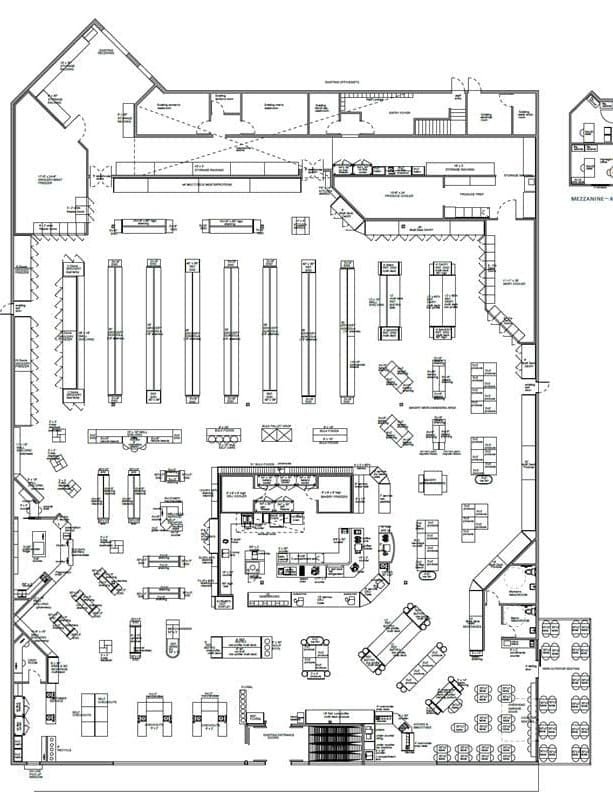
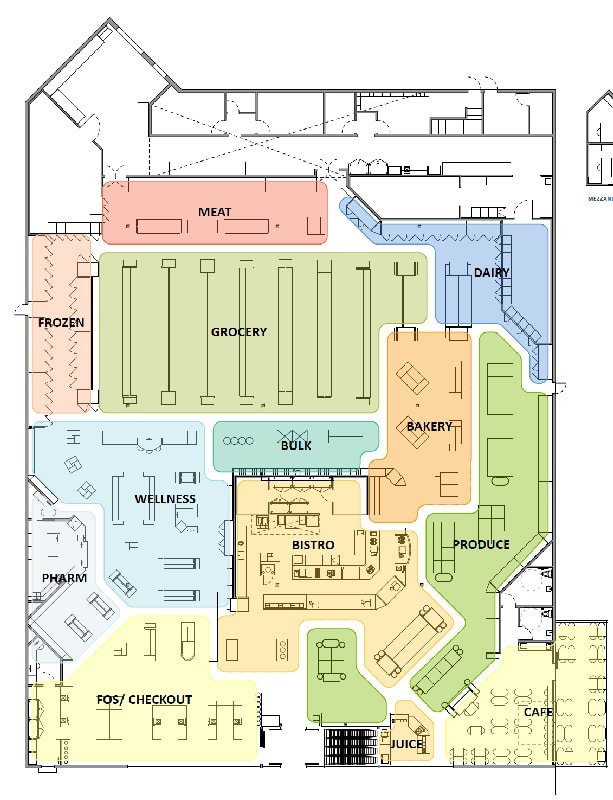
Store planning and design is the stage where you choreograph your shoppers’ experience, from the route they will take through your space, to what they will face, see, hear, smell, and feel during their journey.
Shelving, Fixtures, and Equipment: The Infrastructure of ROI
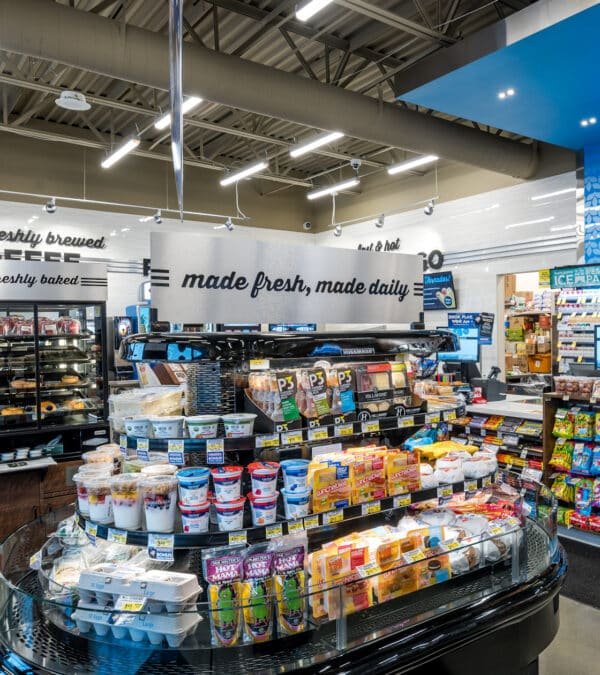
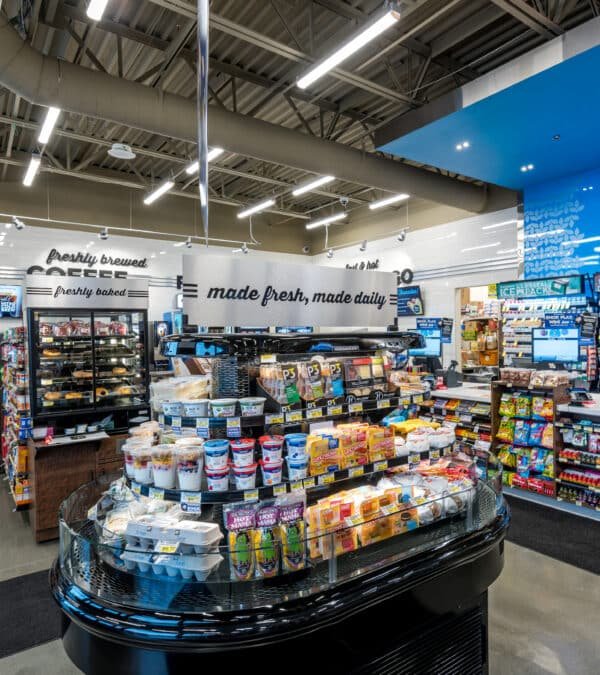
Store planning & design doesn’t stop at the layout; it extends to how products are presented and where they are placed. Shelving, fixtures, and equipment are more than functional—they’re strategic assets that influence how customers move, perceive, and purchase.
Done right, these elements act as silent salespeople, shaping the customer journey in subtle but powerful ways:
- Shelving must be the right height, depth, and flexibility for your product mix. Adjustable shelving helps optimize merchandising over time, and the proper sightlines ensure customers can take in key categories at a glance.
- Fixtures reinforce the brand’s personality. Premium materials, focused lighting, and intentional finishes elevate perception—whether you’re showcasing grab-and-go snacks or curated wine.
- Refrigeration units, merchandisers, endcaps, and freestanding displays have high conversion potential when placed strategically. An impulse display at the entrance or checkout can significantly boost sales of complementary items.
But just as important as the fixture itself is what you put on it—and where.
Product selection and placement are central to your store planning strategy. Hero items should be placed in high-traffic zones, while margin-driving items may be positioned to anchor endcaps or power aisles. Grouping related products (e.g., chips next to dips, pasta near sauces) facilitates cross-selling and improves the shopper experience.
Informed by shopper behavior and sales data, these choices help your store plan function not just as a space—but as a system that maximizes visibility, flow, and profitability.
When you combine thoughtful fixture design with strategic product placement, you create a store that not only looks good but also performs.
Key Metrics You Should Be Tracking
You can’t improve what you don’t measure. Retailers investing in store planning & design should track the following ROI indicators to assess impact and guide future decisions:
- How many unique shoppers are visiting the store?
- What is the average transaction count?
- What is the average basket size?
- What is the average visit duration?
- What is the average return frequency?
These metrics indicate whether the store layout encourages exploration, discovery, and efficient purchasing—all of which contribute to both short-term sales growth and long-term loyalty.
Core Measurables
How many
unique
shoppers
are visiting?
What is the
average
transaction
count?
What is the
average
basket size?
What is the
average
visit duration?
Be smart. Every bit of design counts, from the store exterior to the lighting inside. Investing in a space that works for your customers will increase your sales for years to come.
Customer-Led Design Is Smart Design
To maximize the ROI of your store design, your planning process should be grounded in real shopper insights. Let your customer’s behavior, preferences, and expectations guide what you create—not guesswork.
Ask:
- What are they seeking when they walk in?
- What are they delighted by?
- Where are they getting stuck?
- What keeps them coming back?
Designing with data ensures that your layout is not just aesthetically pleasing but also functional, effective, and adaptive to evolving customer needs.
The ROI of Store Design FAQs
Have a different question? Let’s talk →What kind of ROI can store design improvements deliver?
Retailers often see a 7%–10% sustained increase in sales after implementing improved store design. Some stores experience an initial lift up to 40%, with category-specific gains like 70% in departments such as produce.
How does store layout influence shopper behavior?
A thoughtfully planned layout guides shoppers naturally, helps them find products quickly, encourages discovery, and builds trust. This leads to higher purchase rates, more repeat visits, and improved brand perception.
What should I measure after updating my store design?
Key metrics include visit duration, average basket size, unique versus repeat customer visits, transaction counts, and customer feedback. Monitoring these indicators helps optimize layout, product placement, and overall shopper experience.
Can store design really impact customer loyalty?
Absolutely. A space that is easy to navigate, visually engaging, and aligned with the brand creates a positive experience that encourages repeat visits, referrals, and long-term loyalty.
The ROI of Store Design Series
- Part One: How Retail Branding Drives The ROI Of Store Design: Strategies, Metrics & Case Study
- Part Two: How Store Planning & Design Drive ROI In Retail: Strategy, Flow, And Measurable Impact
- Part Three: Design Integrity in Rollout: Where Great Ideas Live or Die