
Effective store planning goes beyond layout and aesthetics. It’s about creating a customer-centric retail environment that makes shopping easier, encourages exploration, and drives sales. From intuitive navigation and strategic product placement to accessible aisles, interactive displays, and specialized service zones, every design decision shapes the customer experience.
The most successful store planning strategies combine smart layouts, engaging merchandising, customer convenience, well-trained staff, and adaptable design. Together, these seven essential elements help retailers improve traffic flow, strengthen brand loyalty, and create shopping environments that evolve with customer expectations.
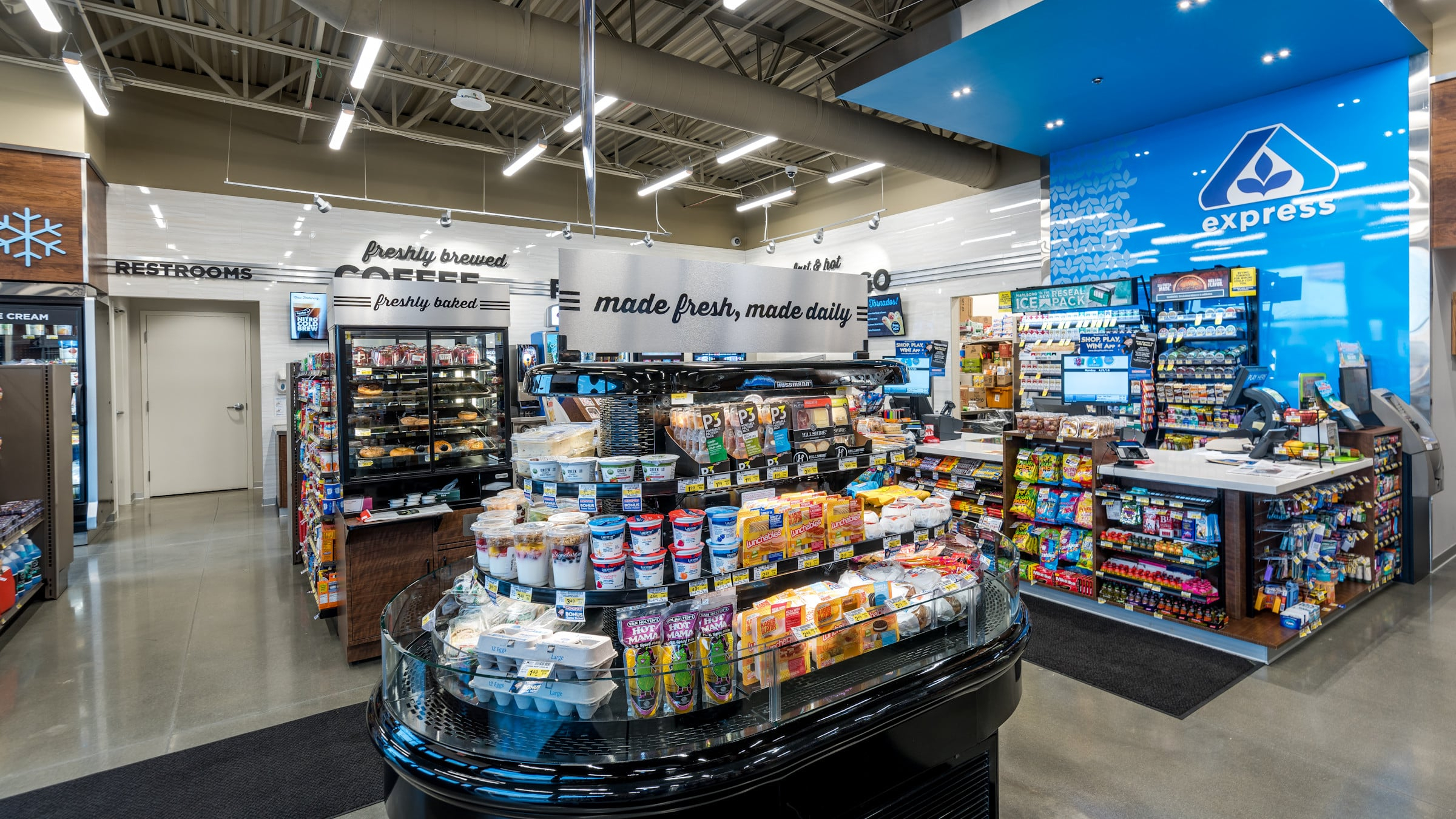
In the bustling and ever-evolving landscape of retail, understanding and implementing effective store planning strategies is key to capturing the attention and loyalty of customers. Successful store planning is a strategic fusion of design, layout, and organizational prowess.
Think of it as a symphony of elements working in harmony to guide shoppers, evoke emotions, and inspire purchasing decisions. From the strategic placement of products to the seamless flow throughout the store, every aspect of store planning is meticulously crafted to leave an indelible impression on customers. This approach orchestrates an environment conducive to customer engagement, sales maximization, and brand loyalty cultivation.
Here are the top 7 strategic elements of store planning that help create a positive, engaging, and convenient shopping environment:
7 Key Strategies for Effective Retail Store Planning
1. Optimal Store Planning : Layout and Design
If customers cannot find what they need or become confused while shopping, they may experience frustration, negatively impacting their perception of the brand. Focus on these critical areas to facilitate easy navigation and enhance the overall shopping experience.
-
Logical Flow
Design a layout that guides customers naturally through the store, making it easy to navigate from one section to another. -
Enhanced Navigation
A well-designed store layout doesn’t just guide; it entices exploration. Utilizing strategic layouts, such as grid, loop, or free-form designs, caters to different store sizes and customer behaviors, enhancing navigation and dwell time. -
Clear Signage
Use visible, clear signage for different departments, promotions, and product categories, aiding customers in finding what they need quickly. Embracing industry insights on grocery store signage trends, such as those highlighted in the KRS article regarding effective signage strategies, can significantly impact customer engagement and satisfaction in retail environments. -
Customization for Segments
Segmenting the store layout based on product categories or customer demographics optimizes the shopping experience. By creating distinct zones for different customer needs, retailers cater to varied preferences, improving customer satisfaction and sales potential. -
Aesthetics
Create an ambiance that aligns with the brand identity and resonates with the target audience, using lighting, colors, and overall design to evoke positive emotions.
Strategies Into Action
Put store planning strategies into practice with approaches tailored to convenience stores and grocery stores. While convenience stores prioritize speed, efficiency, and grab-and-go shopping, grocery stores require layouts that support larger departments, product discovery, and comfortable navigation.
Explore how logical flow, navigation, signage, customer-focused zones, and aesthetics can be adapted to each retail environment to improve the shopping experience and support sales.
Convenience Store
Efficient Layouts for Quick, Convenient Shopping
Convenience store planning focuses on making shopping trips fast, intuitive, and enjoyable. Strategic product placement, clear navigation, and well-organized merchandise help customers find essentials quickly while creating opportunities for additional purchases.
Key Strategies
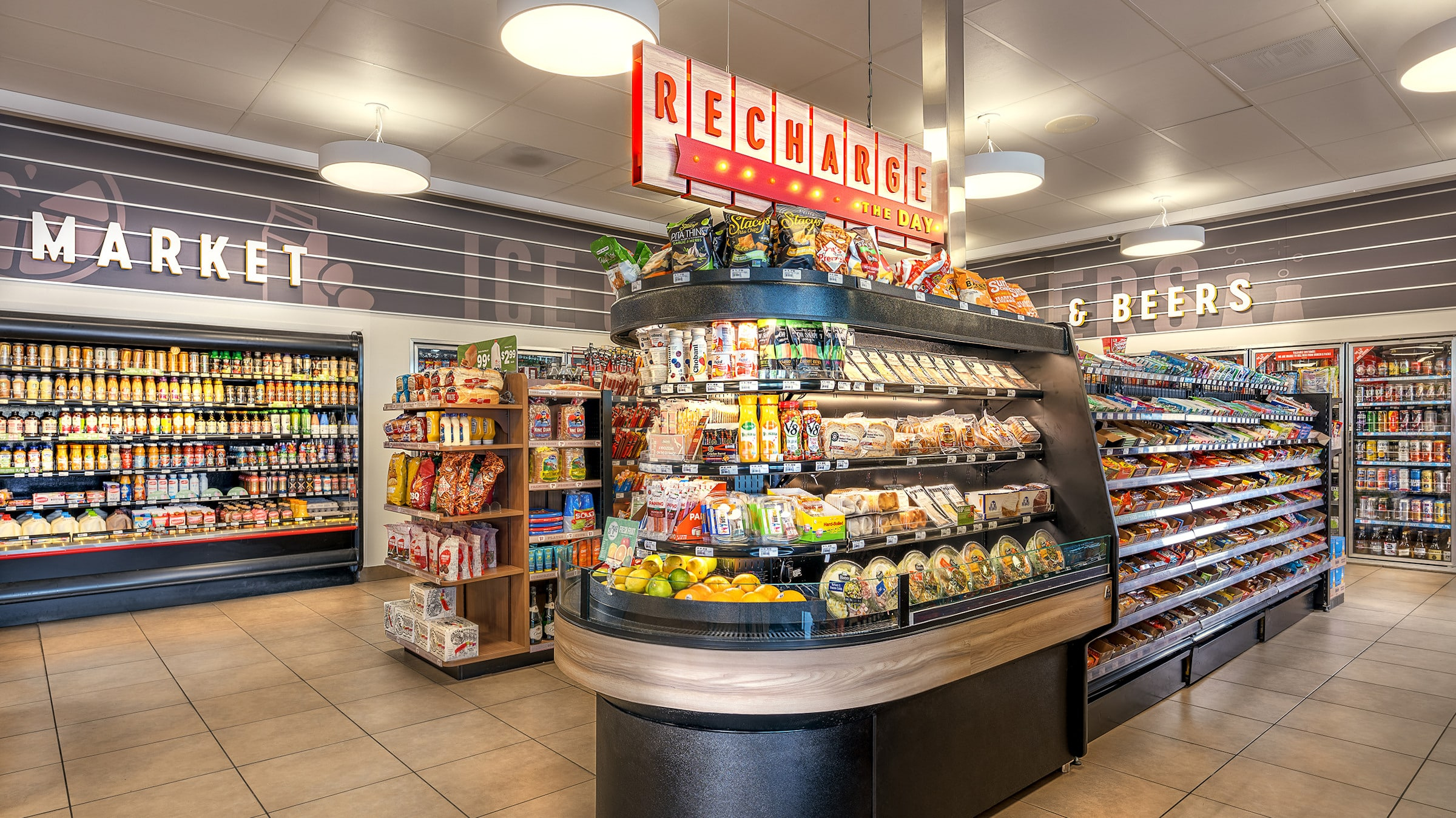
- Logical Flow: Position high-demand items like beverages and snacks near the front, with less frequently purchased products toward the back. Keep checkout accessible and place impulse-buy items along the path to purchase.
- Enhanced Navigation: Use simple loop layouts to guide customers past seasonal promotions and featured products without creating confusing detours or slowing down shopping trips.
- Clear Signage: Install bold, easy-to-read category signs that help customers locate products quickly. Use promotional signage to highlight deals and new products without overwhelming the space.
- Customization for Segments: Group complementary products around shopping occasions, such as coffee, pastries, and newspapers for morning customers or grab-and-go dinner options for evening shoppers.
- Aesthetics: Combine bright, functional lighting with clean, brand-aligned colors and finishes to create an inviting environment that supports product visibility and efficient shopping.
Grocery Store
Customer-Focused Layouts for Discovery and Convenience
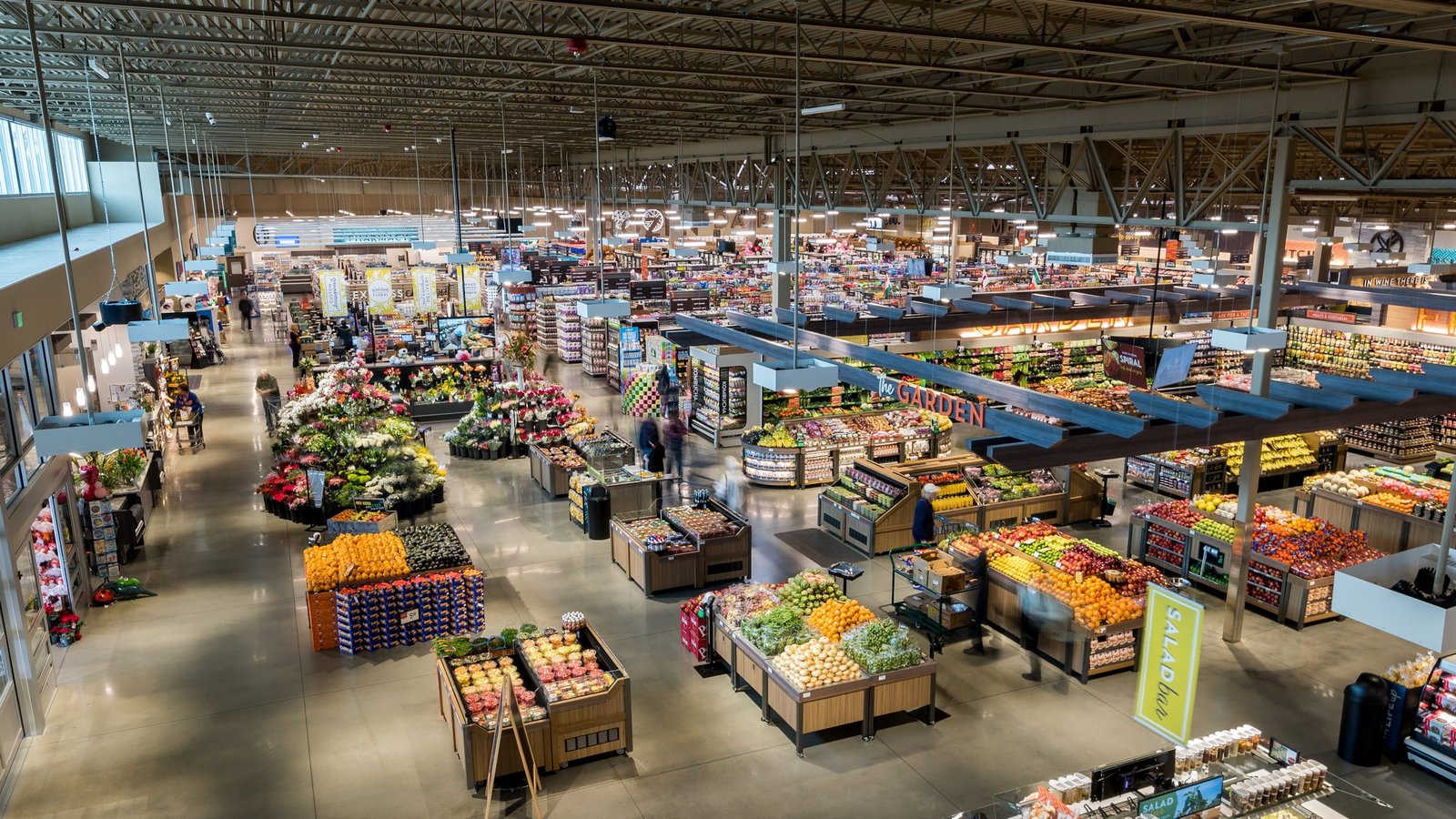
Grocery store planning balances efficient navigation with opportunities for exploration. Thoughtful department placement, accessible aisles, specialized product zones, and engaging visual merchandising create a comfortable shopping experience while encouraging customers to discover more products.
Key Strategies
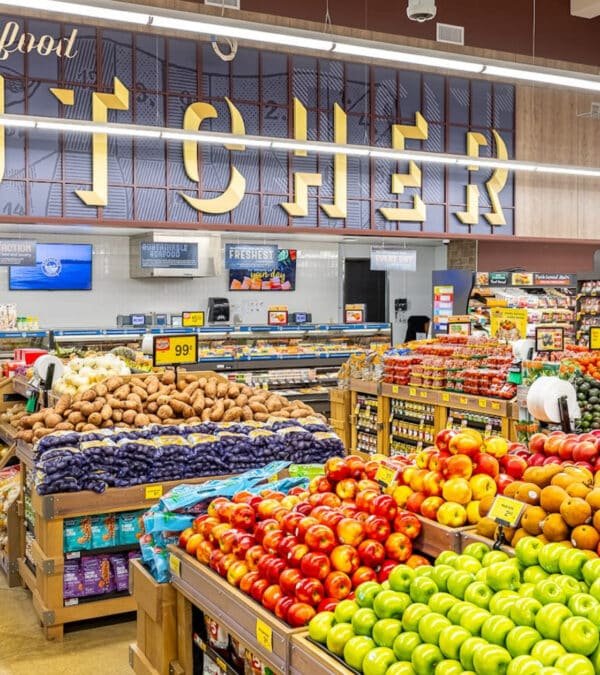
- Logical Flow: Create an inviting first impression with fresh produce near the entrance. Position staple departments such as dairy and bakery along the store perimeter to encourage movement through additional product categories.
- Enhanced Navigation: Use organized grid layouts and appropriately sized aisles to accommodate shopping carts and customer traffic. Incorporate loop pathways within larger departments to encourage exploration.
- Clear Signage: Install readable overhead department and aisle signs that are visible from a distance. Add wayfinding signage for specialized sections such as organic foods and international cuisine.
- Customization for Segments: Develop dedicated zones for dietary preferences and shopping interests, including gluten-free products, locally sourced produce, and specialty foods.
- Aesthetics: Tailor lighting and visual design to individual departments. Use softer lighting in bakery and deli areas to create a welcoming market atmosphere, and brighter produce lighting to showcase the natural colors of fresh fruits and vegetables.
2. Product Visibility & Accessibility
-
Strategic Placement
Highlight popular and high-margin products at eye level or within easy reach to attract attention and encourage purchases. -
Merchandising Psychology
Utilizing psychological cues such as color psychology, sensory marketing, or focal points within displays maximizes product visibility and captivates customer attention, leading to increased sales and brand recall. -
Well-Organized Displays
Arrange products neatly with ample spacing, making it convenient for customers to browse and compare items. -
Seasonal Product Displays
Rotating displays to showcase seasonal or trendy products at prominent locations keeps the store fresh and encourages repeat visits. Utilizing these displays strategically can boost impulse purchases and capitalize on changing consumer preferences.
Ready to plan your strategy?
Let’s talk about your store →
3. Convenience & Comfort
-
Aisle Width and Accessibility
When considering aisle width and accessibility, it’s vital to address the needs of customers who use wheelchairs or have other mobility requirements. Aisles should be wide enough not only for shopping carts and strollers but also to allow a wheelchair to pass through comfortably without encountering obstacles. This means considering the turning radius and maneuverability of mobility aids, as well as ensuring that shelves and displays are set at appropriate heights for accessibility.
Accessibility Beyond the Aisles
Beyond wide aisles, accessibility includes providing clear signage, having non-slip floors, and ensuring that there are no protruding objects that could be hazardous. It’s also essential to have staff trained to assist customers with disabilities, whether helping them reach items, navigate the store, or providing information about products.
Creating an inclusive environment goes beyond just the physical layout; it encompasses a mindset of service and facilitation to ensure all customers, regardless of ability, have equal access to the goods and services offered. This may also involve having adaptive technologies or services, such as hearing loops at counters for those with hearing impairments or providing assistance for those with visual impairments.
The goal is to make shopping a stress-free and positive experience for all customers.
-
In-Store Amenities
Introducing comfortable seating areas or dedicated resting spots within the store acknowledges customer comfort. Providing amenities like charging stations or refreshment areas enhances the overall shopping experience, encouraging customers to spend more time exploring the store. -
Accessible Information Points
Implementing information kiosks or digital touchpoints at convenient locations enables customers to easily access product details, prices, and promotions. This technology-driven convenience streamlines the shopping journey, fostering positive perceptions of the store.
4. Interactive & Engaging Elements
-
Interactive Displays
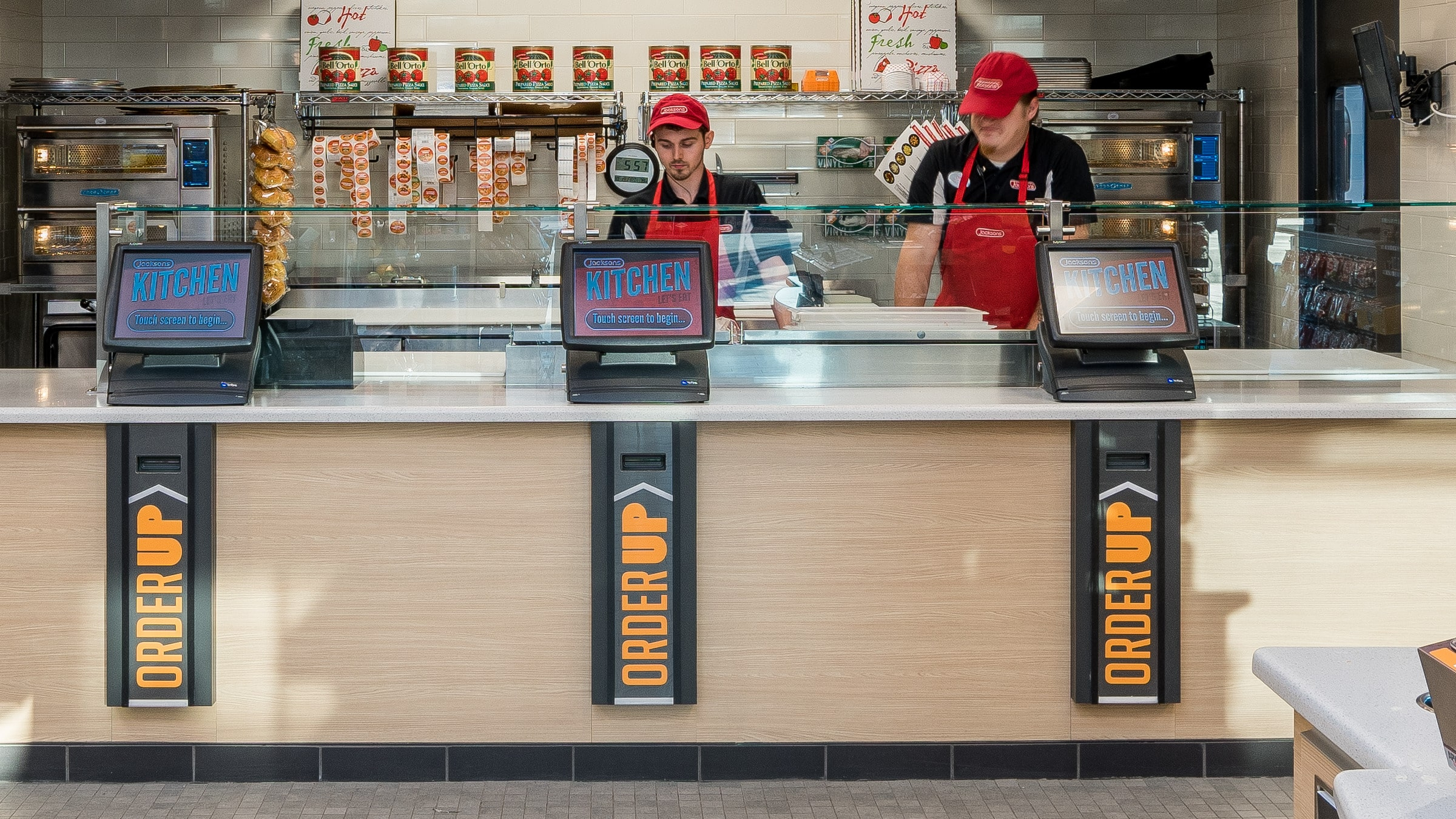
Interactive displays provide a dynamic shopping experience. Digital touchscreen menus in eateries, like the ones implemented by King Retail Solutions for Jacksons Food Stores’ Kitchen, provide customers with convenient and engaging self-service options for placing orders and exploring available offerings. Product customization stations in retail outlets enable shoppers to visualize different colors and styles or design their unique items. Virtual try-on solutions use augmented reality in fashion stores, allowing customers to instantly see themselves in various outfits. The options are ever expanding – and increasingly expected by customers. -
Product Demonstrations
Research and case studies consistently show that live product demonstrations and sampling are effective strategies for engaging customers, increasing sales, improving brand perception, and fostering customer loyalty. They also provide valuable insights into customer preferences and help brands refine their offerings.

A PromoWorks study published by Retail TouchPoints shows that not only does in-store sampling increase sales and repeat purchases, but it also increases the average shopping basket size. In-store sampling is cost-effective because it delivers results for many weeks after the event.
-
Gamification Techniques
Integrating gamification elements, like loyalty program points or interactive games, engages customers and encourages return visits, fostering a sense of enjoyment and connection with the brand.
5. Specialized Zones and Services
-
Impulse Purchase Zones
Place small, enticing displays near checkouts or high-traffic areas to encourage last-minute purchases. -
Service Counters
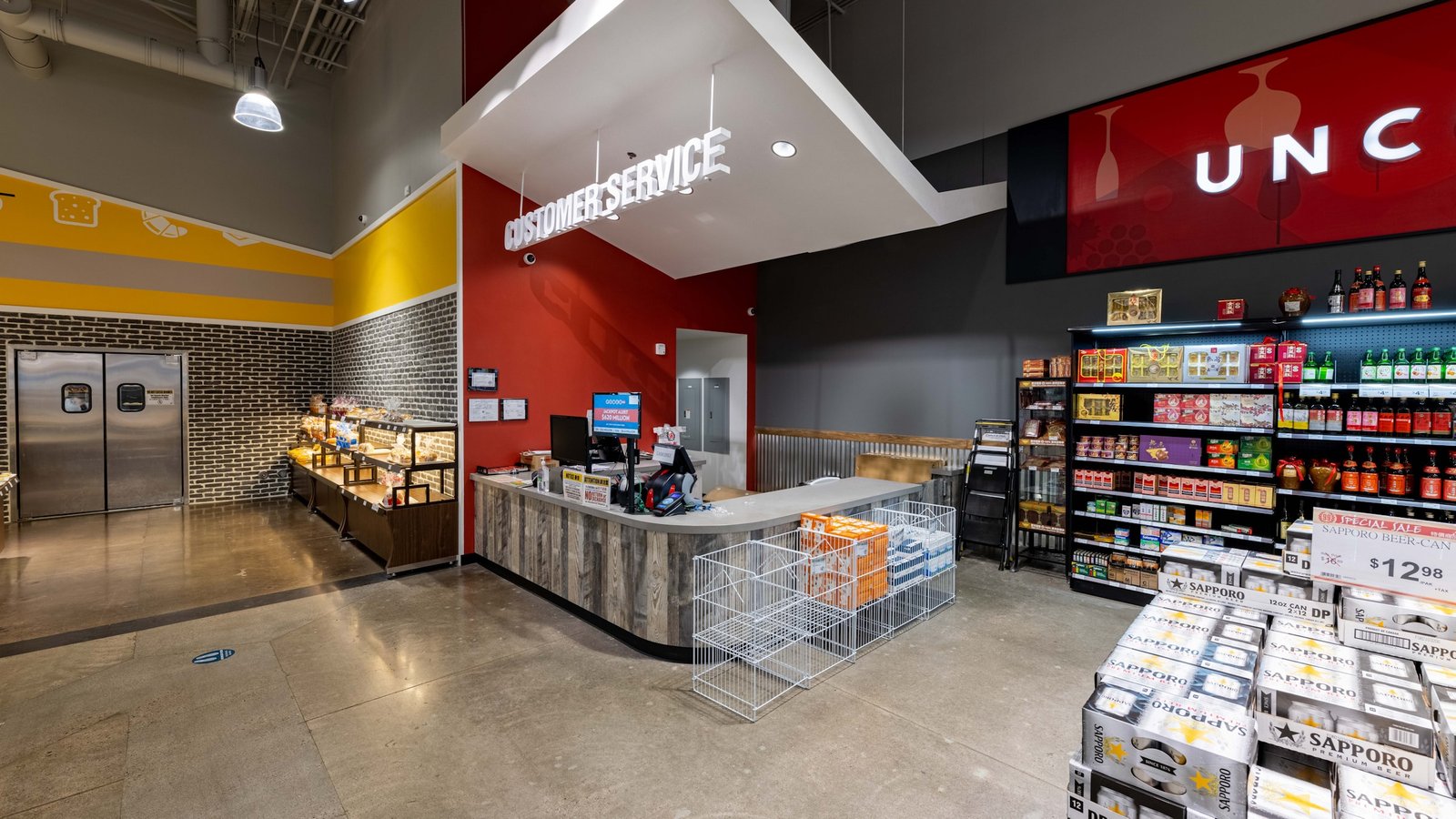
Offer easily accessible service counters with knowledgeable staff to assist customers with inquiries or product demonstrations. Service counters, such as those designed for 99 Ranch Market by KRS, offer easily accessible assistance, fostering customer engagement and personalized service experiences.
6. Customer-Focused Staffing
-
Adequate Staffing
Ensure adequate staffing during peak hours to provide assistance and maintain a positive shopping atmosphere. This approach will enable effective customer support and ensure an enjoyable experience in the store. -
Training
Train staff to be knowledgeable about products and provide exceptional customer service. -
Digital Assistance
Incorporating digital assistance tools like mobile apps or in-store tablets equips staff with real-time product information, enabling them to assist customers more efficiently and effectively.
7. Adaptability & Feedback
-
Agile Store Design
Implementing modular or flexible store layouts allows for quick adaptation to changing market trends or seasonal demands. The ability to reconfigure the store layout efficiently keeps the shopping experience fresh and relevant. -
Feedback Channels
Encourage feedback through surveys or feedback boxes to understand customer needs and preferences, allowing for adjustments to improve the shopping experience. -
Adapt to Trends
Stay updated with evolving consumer trends and adapt store layouts or offerings accordingly.
Store Planning FAQs
Have a different question? Let’s talk →
Why is strategic store planning important for retailers?
Strategic store planning enhances customer experience, improves product visibility, increases sales, and strengthens brand loyalty by creating an organized, inviting, and engaging shopping environment.
What elements contribute to an effective store layout?
Key elements include logical traffic flow, clear signage, eye-level product placement, well-spaced aisles, specialized zones, and interactive or engaging displays.
How can stores improve product visibility and accessibility?
Use organized, eye-level displays, rotate seasonal or trending products, apply merchandising psychology, and ensure products are reachable and clearly labeled.
What role does customer comfort play in store planning?
Comfortable aisles, seating areas, accessible signage, and amenities such as charging stations improve the shopping experience, encourage longer visits, and support inclusive access for all customers.
How do interactive and engaging elements benefit retailers?
Interactive displays, product demonstrations, gamification, and digital touchpoints capture attention, enhance engagement, increase purchases, and foster customer loyalty.
Why is adaptability critical in store design?
Flexible layouts, modular fixtures, and feedback-driven adjustments allow stores to respond quickly to changing trends, seasonal demands, and evolving customer preferences, keeping the shopping experience fresh and relevant.