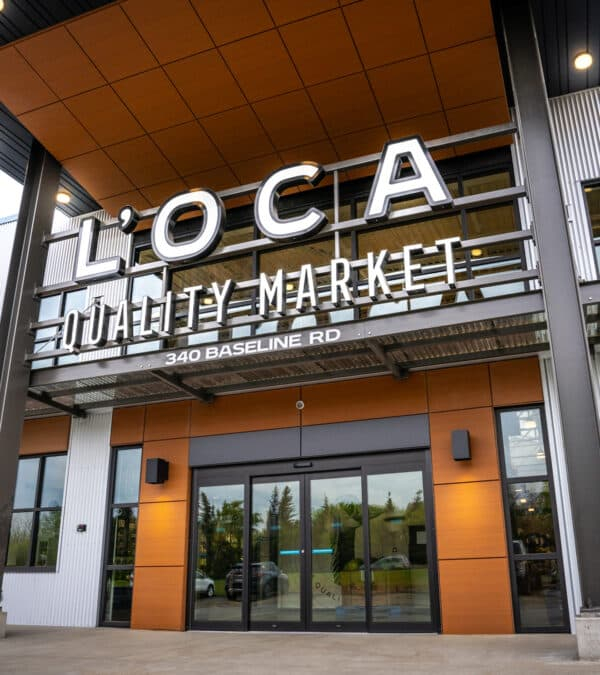


Grocery store signage has evolved beyond basic wayfinding and branding to become an essential part of the customer experience. Modern supermarkets are embracing bold visuals, oversized signs, vintage-inspired designs, and creative storytelling to create engaging shopping environments that attract customers and reinforce brand identity.
As retail continues to evolve, grocery stores are also incorporating digital signage, interactive technology, and streamlined designs to improve navigation and connect online and in-store experiences. Explore six key grocery store signage trends that are shaping modern supermarkets and helping retailers create memorable, customer-focused spaces.

Modern grocery store signs serve functions beyond wayfinding and branding. They’re increasingly leveraged to enhance the customer experience.
Here are six grocery store signage trends to watch.
1. Big is Beautiful
Like many other retailers, modern supermarkets are embracing signage industry trends, such as high-impact visuals to their décor. Social media has driven the appeal of eye-popping, large-format signage and décor elements that customers will be motivated to share.
The latest retail interior design deploys large-scale signage to create an immersive feeling for shoppers. Signage using oversized letters frames and defines service areas like butcher counters or bakeries. The super-sized sign is a trend that can work even in stores with smaller footprints.
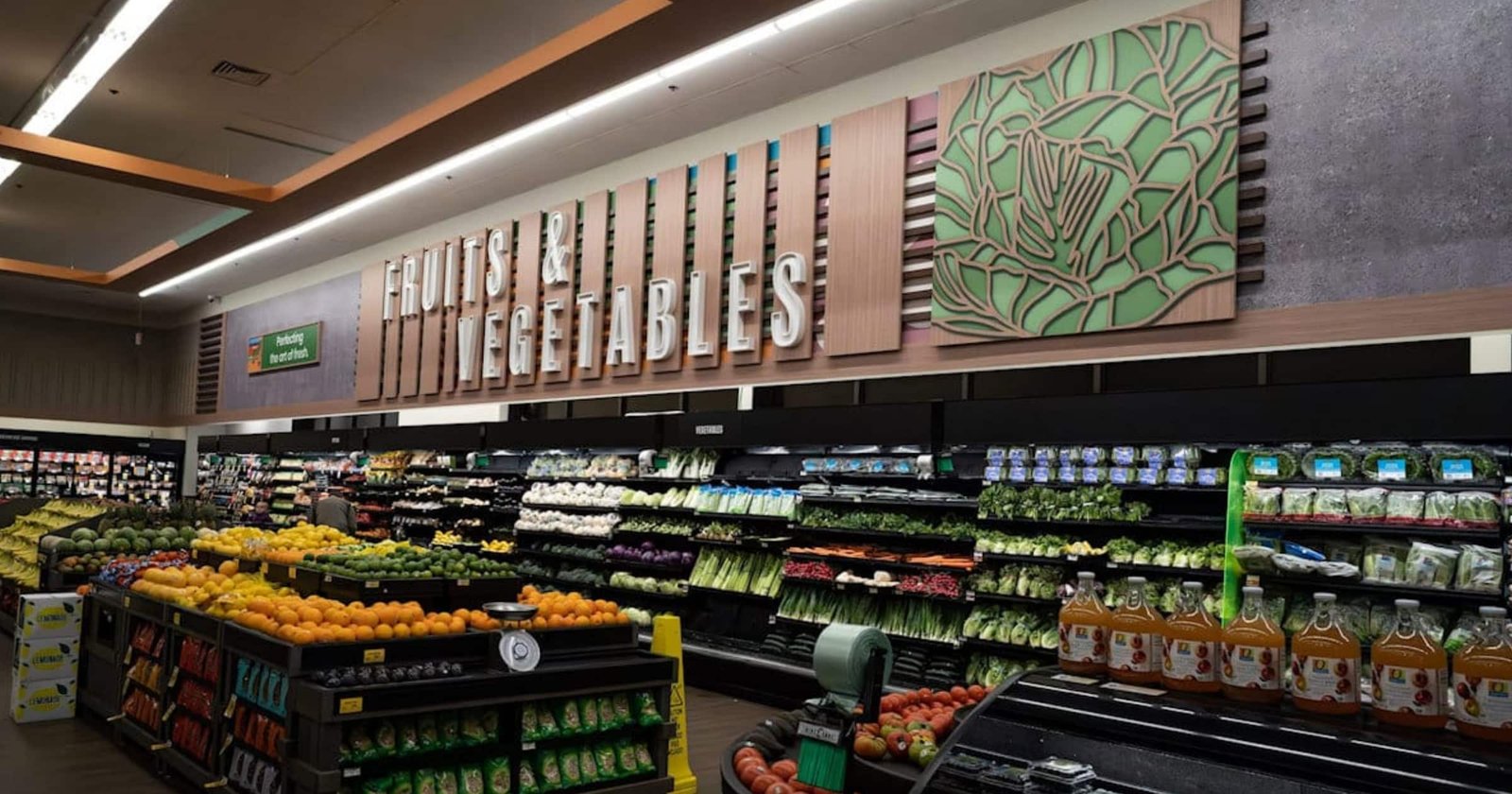
Ultra-bold soffit murals, projected signs, and printed wall graphics can deliver a big impact for a relatively low cost. This type of signage can also be updated more frequently, helping to keep the store image fresh.
2. Blasts from the Past
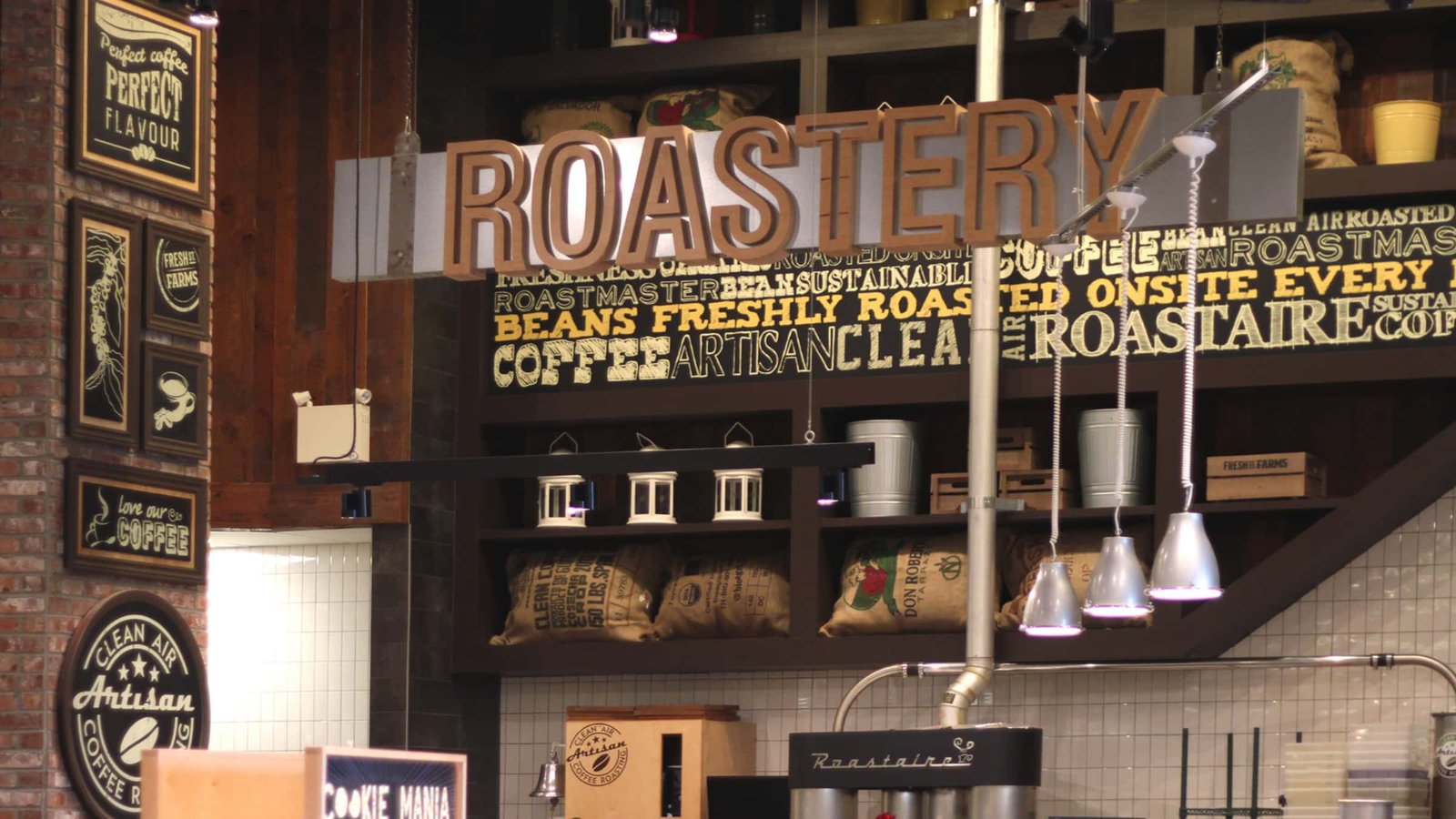
Grocery store designers continue to draw on the rich trove of vintage and retro designs inspired by the rapid technological changes of the 20th century. Vintage letterforms and materials, such as metal, are used to evoke the quality and service of yesteryear in grocery store interior design.
Freestanding and dimensional letters, backlighting, and neon convey a mid-century modern look that feels clean, contemporary, and sleek—an aesthetic perfect for grocery stores.
Farm-to-fork, folksy signage also remains popular. Natural-looking materials and hand-drawn fonts suggest the health and well-being of products and evoke the traditions of family farms, farmers’ markets, and local suppliers.
3. Plan for the Meal Planners
70% of American families report that they meal-plan every week, with many combining planning and actual food prepping. This money-saving trend has exploded along with prices as consumers struggle to stretch their budgets.
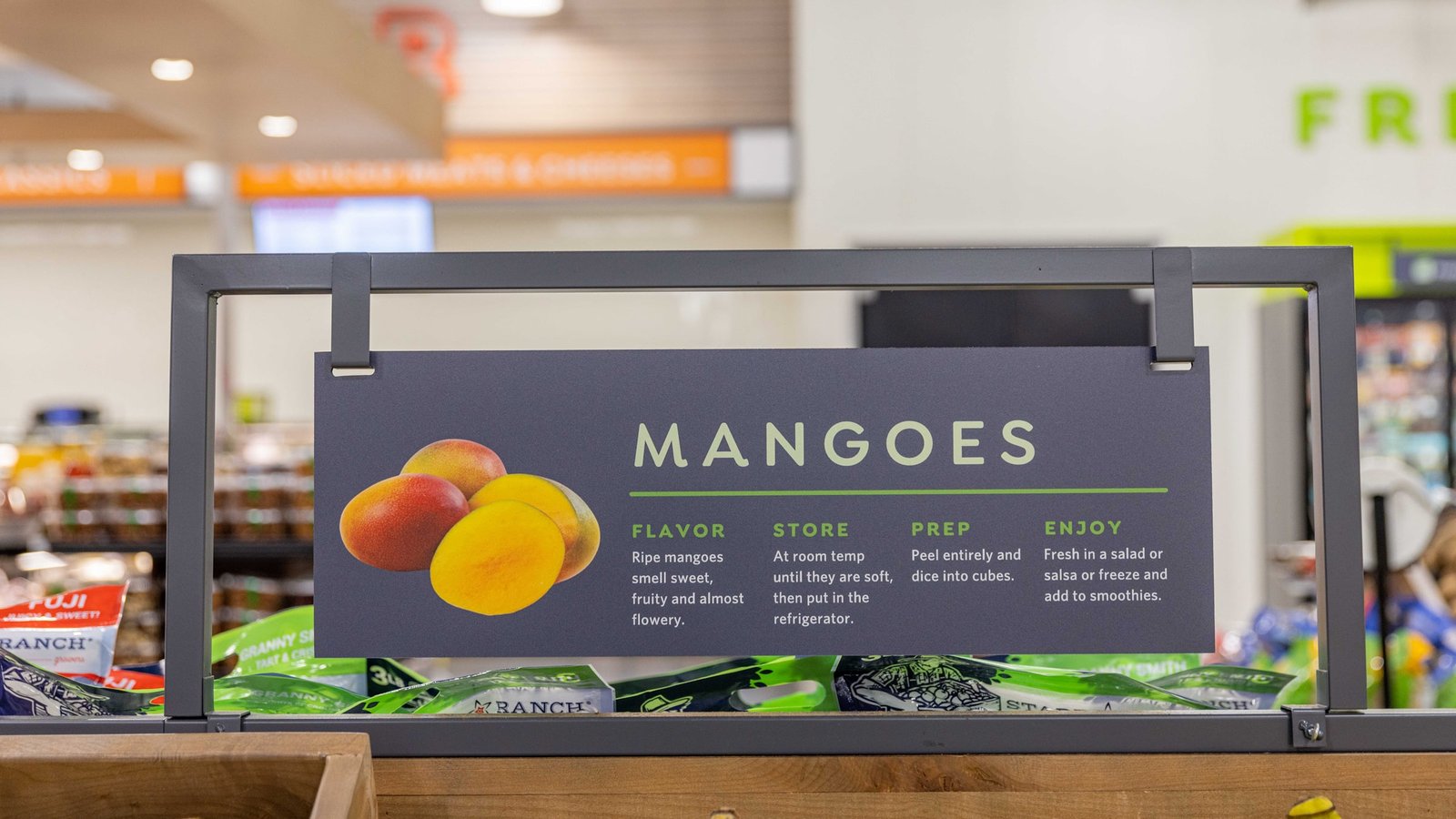
Meal planning is changing the way customers navigate grocery stores in person. While wayfinding signage, like aisle signs, is crucial, meal planners also need “storytelling” signage that quickly communicates new opportunities, tips, and tricks for saving money while eating well.
Grocery stores are juxtaposing products that are natural companions—such as pre-cut produce and proteins. But they also hope to drive higher incremental sales with complementary product offerings.
4. Digital Signage Grows Up
A recent consumer sentiment article by Accenture observes, “Amid the pressure of life forces and the chaos of everyday life, what customers ultimately need is simplicity. They are drawn to anything that cuts through the noise and makes their decision-making—and their lives—easier. Businesses that want to stay relevant need to find ways to clear the path for consumers to walk easily.”
This advice could apply to any contemporary signage and store décor strategy.
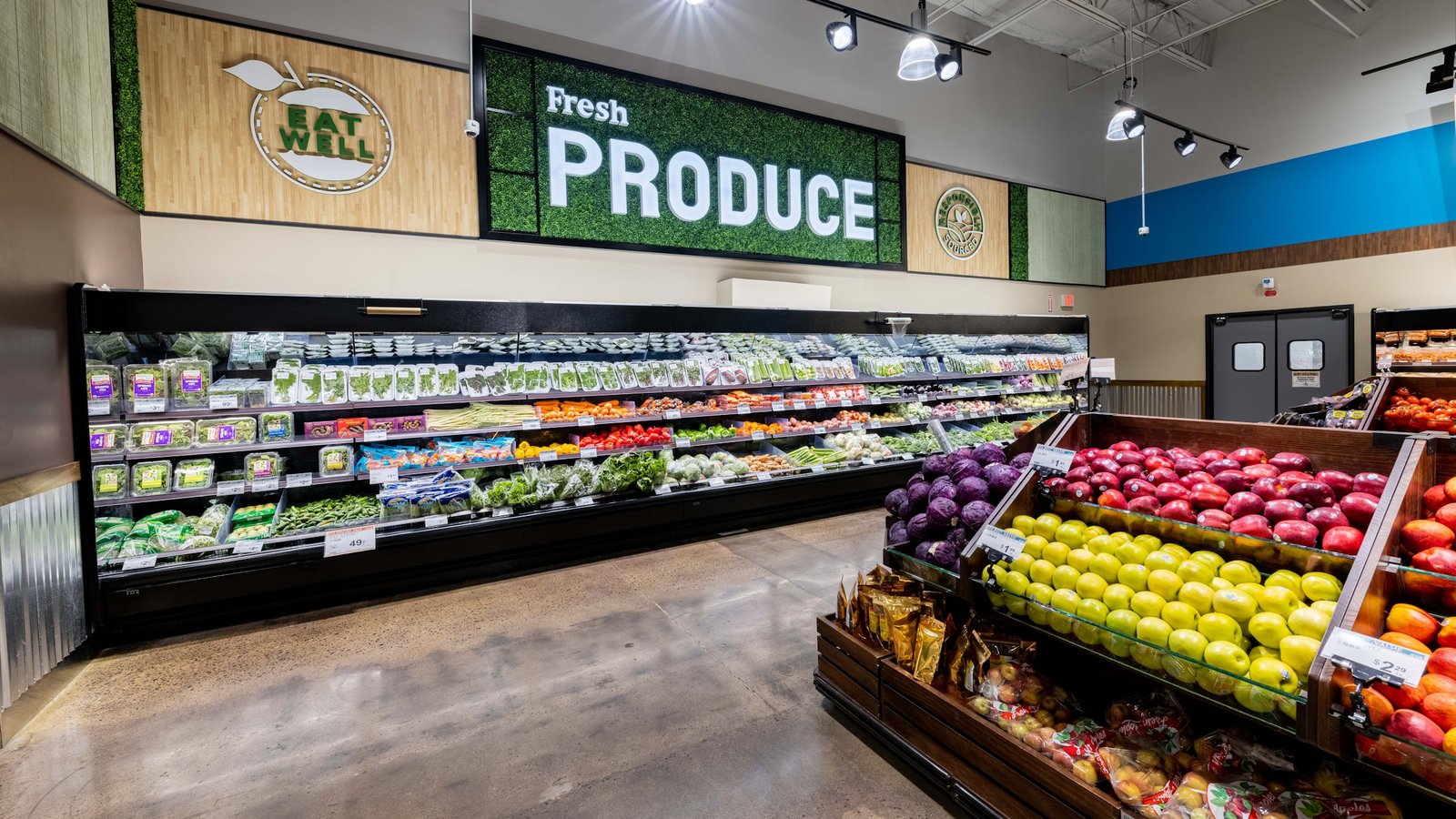
The recent rebrand of Lucky California, as well as the “super-sized” 99 Ranch Market in Chandler, Arizona, showcases the importance of simple and clean grocery store signs.
5. Meet Consumers’ Need for Simplicity
A recent consumer sentiment article by Accenture observes, “Amid the pressure of life forces and the chaos of everyday life, what customers ultimately need is simplicity. They are drawn to anything that cuts through the noise and makes their decision-making—and their lives—easier. Businesses that want to stay relevant need to find ways to clear the path for consumers to walk easily.”
This advice could apply quite literally to any contemporary signage and store décor strategy.
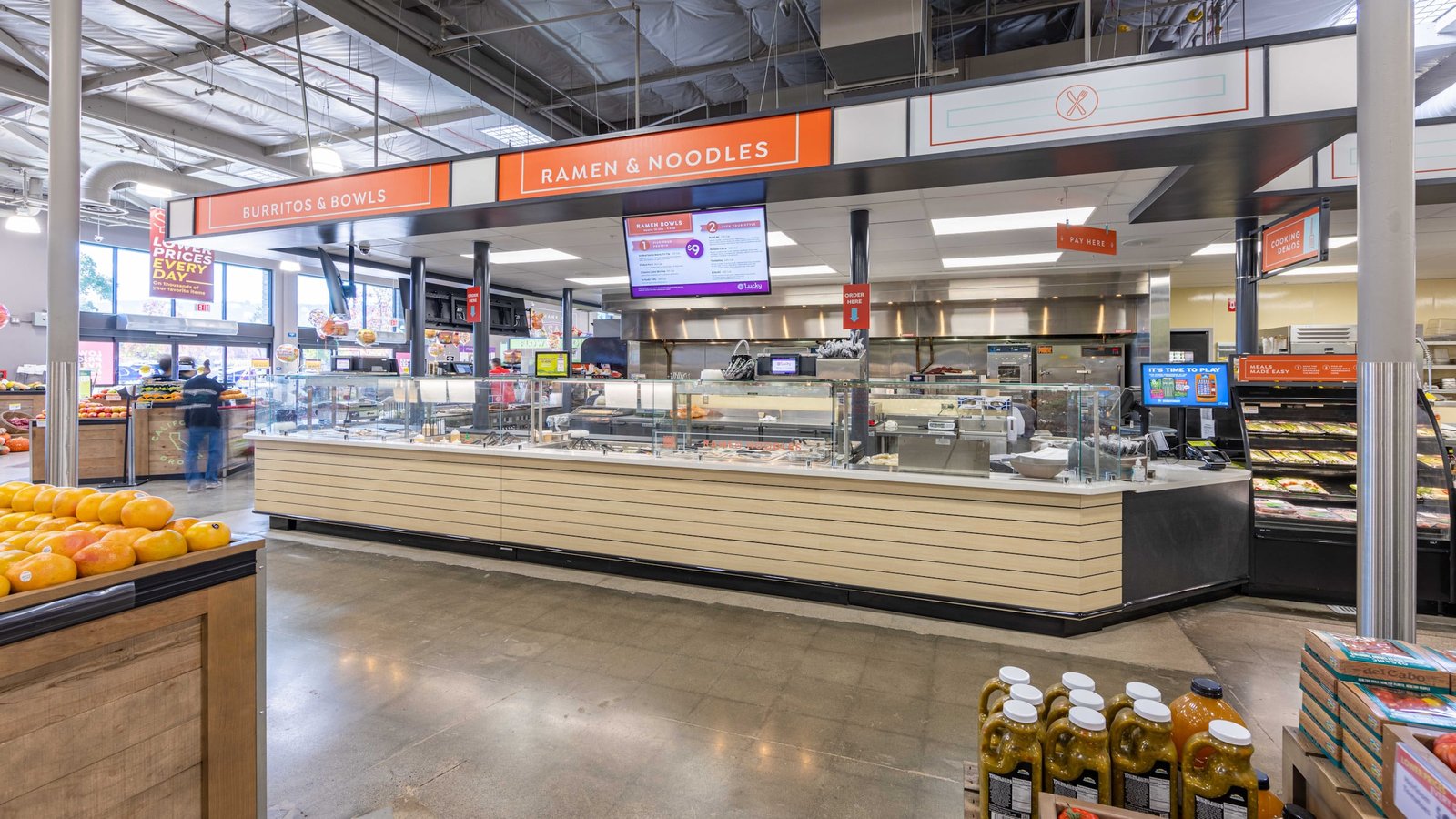
The recent rebrand of Lucky California as well as the “super-sized” 99 Ranch Market in Chandler, Arizona, are excellent examples of how “simplicity” is expressed in a fresh, clean, streamlined store design.
The Lucky California design uses bold colors for impact but sticks to one font family for signage to create a harmonious feeling of simplicity. King Retail Solutions fabricated signs and other store décor for both brands.
6. Physical + Digital Should Play Well Together
As more consumers depend on grocery shopping apps, it’s vital to integrate the design of physical signs and the digital interface. These two realms might have shared little more than a logo not too long ago.
Emerging technologies have shifted the perception of digital shopping as a replacement for in-person shopping to a complementary experience that enhances the consumer’s in-store journey. Taking this holistic approach to marketing strategy is a way to increase customer engagement.
The use of QR codes is helping to reduce the need for some types of non-value-added informational signage, allowing for less cluttered grocery store interiors.
Design-savvy brands ensure that the online and in-person shopping experiences convey a consistent storytelling language, including colors, fonts, materials, and even music.
Is New Grocery Store Signage Affordable?
The American consumer expects and responds to “shiny and new.”
Companies seeking to enhance the retail experience with new signage must navigate the challenges of rising costs. Here are some key strategies for managing the expense of your signage project:
-
Look for a grocery store sign manufacturer with serious expertise in value engineering.
Strategic adjustments to designs and material specifications frequently yield substantial savings. Insist that value engineering be part of the process. King Retail Solutions has turned value engineering into a core competency.
“We know that value engineering will be part of every project we do,” says Shaun Londahl, President of KRS. “We understand how things are made and find new ways to build things when standard methods aren’t working.”
-
Select a vendor that can fabricate signs using a wide array of materials.
A store décor fabricator who can manufacture signs from wood, metal, plastics, lighting, and digital printing will give you maximum flexibility and choice.
-
To maximize efficiencies and save time, look for a sign manufacturer that also provides project management, logistics, and installation.
With today’s supply chain disruptions and labor shortages, an end-to-end solution can be the difference between an on-time grand opening and costly delays.
-
Begin your store signage project with a site survey.
One of the biggest challenges of creating new signage is ensuring it works in every location. 3-D video site surveys enable fabricators to adjust designs to fit before signs are manufactured, providing quick, precise, and virtually painless installation.
Consumer sentiment has taken a drubbing from inflation, while shoppers are being asked to adjust to lower staffing levels and even reduced operating hours in retail stores. But even as shoppers change their behavior to these conditions, they’re also motivated by factors other than price.
Improving the customer experience has never been more important for differentiating your brand.
Experiential retail will continue to require creative interiors and frequent refreshes. Even ultra-discount grocers can’t afford to deliver an experience that feeds consumers’ anxiety that things are in decline.
Like consumers, retailers need to get the most bang for their buck—and updated signage is one of the best ways to do precisely that.
Grocery Store Signage FAQs
Have a different question? Let’s talk →
Is updating your store’s signs a cost-effective strategy?
Updating signage can be highly cost-effective. A light refresh improves branding, wayfinding, and overall store design at low cost, while full remodels typically allocate about 3% of construction budgets to signage, generating outsized impact relative to investment.
What is value engineering in the context of grocery store signage?
Value engineering lowers costs while maintaining or improving functionality, durability, and consistency. It also streamlines distribution, installation, and maintenance, maximizing ROI for your signage investment.
How are trends in retail interior design affecting supermarket signs?
Current trends emphasize sustainability, storytelling, flexibility, and elevated aesthetics. Supermarket signage now reinforces brand identity, supports adaptable layouts, communicates promotions, and signals values like local sourcing and environmental responsibility.
How can grocery stores integrate physical and digital signage?
Grocery stores can connect physical signs with digital displays, QR codes, and shopping apps to create a seamless customer experience. Consistent colors, typography, and messaging across in-store and digital channels strengthen brand identity, simplify navigation, reduce visual clutter, and help shoppers access product information and promotions.